

Photovoltaic Carport Mounting Structure Solution
Solution Overview
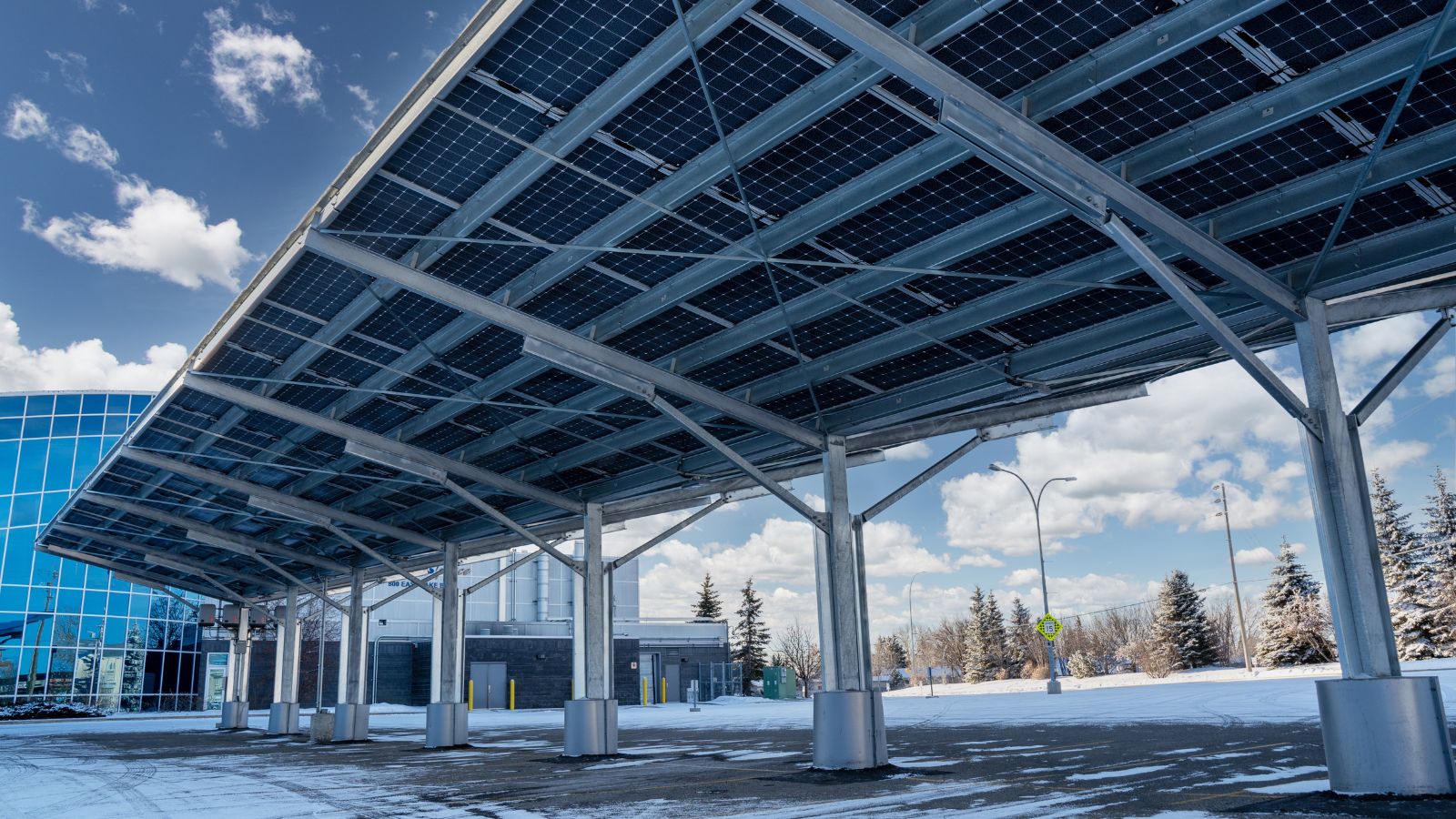
The photovoltaic (PV) carport mounting structure is a core system designed to support PV modules while ensuring overall safety and structural stability.
This solution integrates solar power generation, vehicle shading, and efficient land utilization, making it suitable for commercial, industrial, and public parking facilities.
The design comprehensively addresses load-bearing capacity, wind resistance, corrosion protection, waterproofing, and construction efficiency to ensure long-term reliability and return on investment.
Structural Configuration Solution
Classification by Parking Capacity
Classification by Parking Capacity
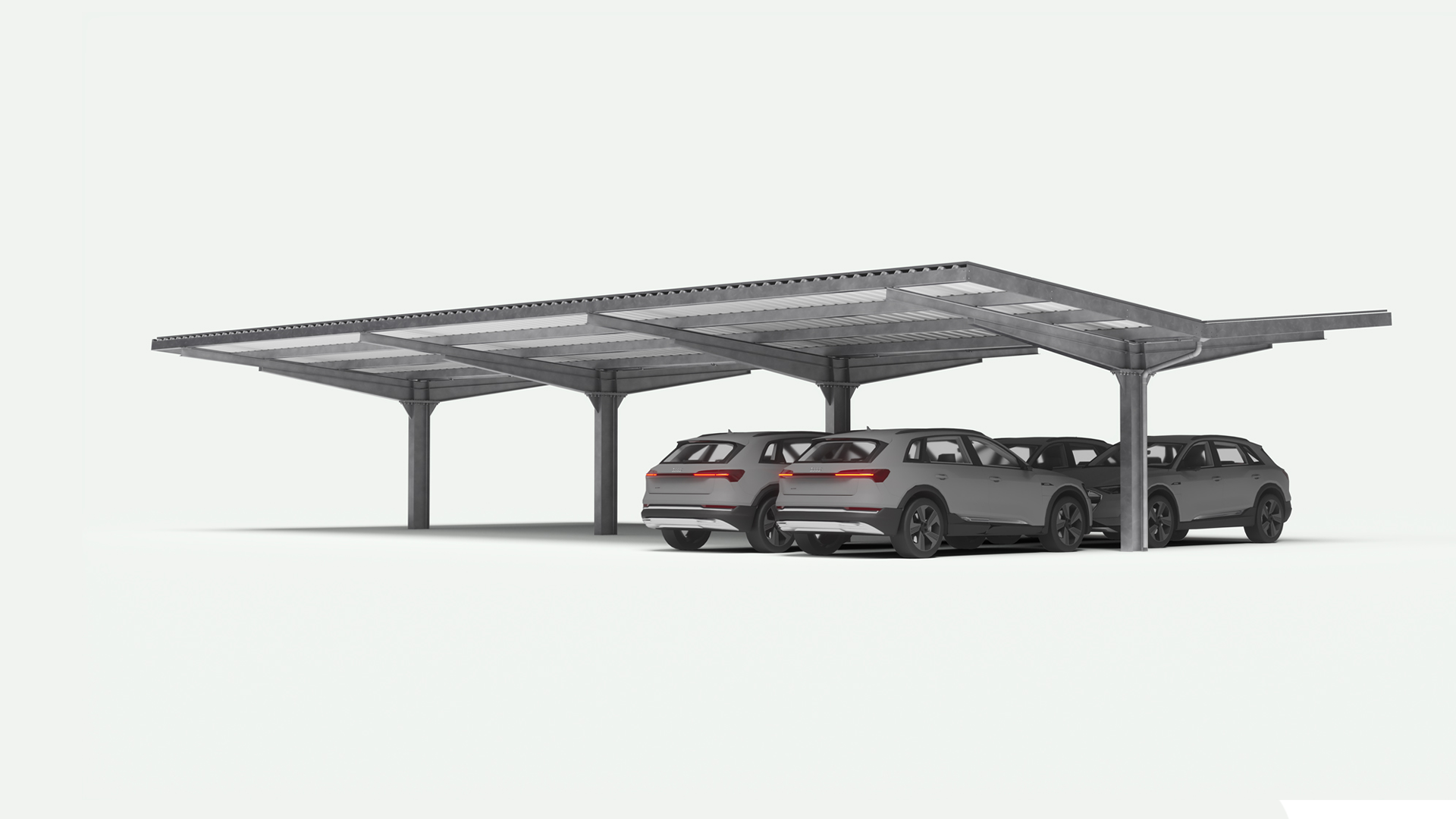
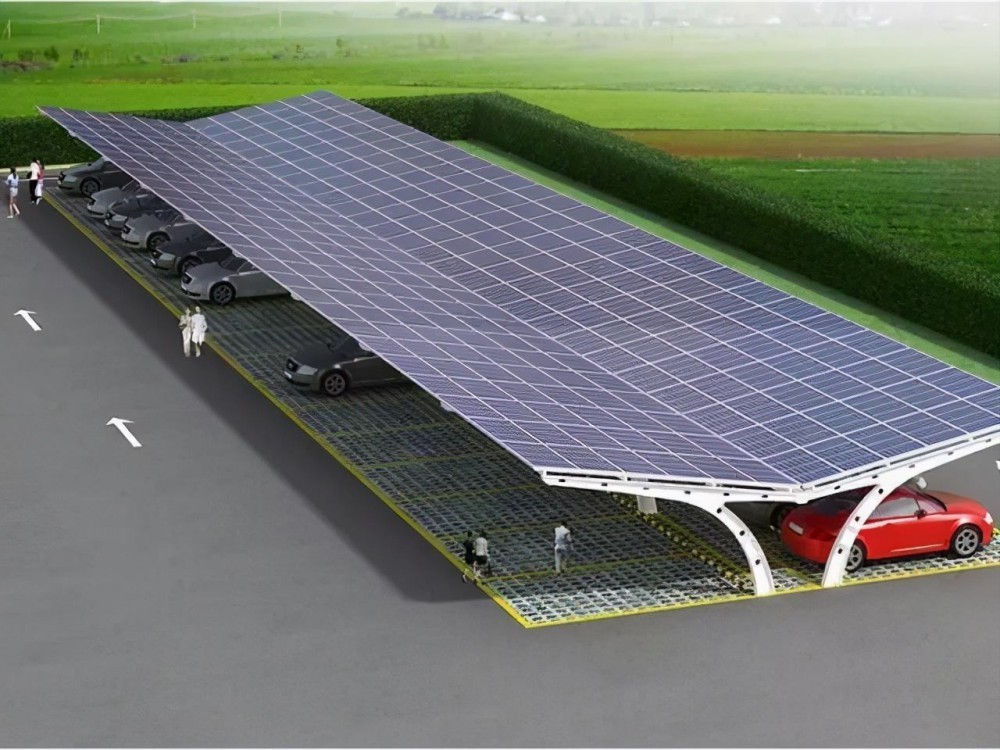
Cantilever design with columns on one side only, featuring a clean appearance, minimal land occupation, and fast installation. Ideal for space-constrained sites.
Double-Column Structure
Columns on both sides provide higher structural stability and enhanced wind resistance, suitable for regions with higher wind loads.
Single-Parking-Space PV Carport
Single-Column Design
Optimizes space utilization and reduces foundation requirements, suitable for fast-track projects.
Double-Column Design
Provides superior load distribution and structural strength, recommended for large-scale and long-term projects.
Classification by Foundation and Material System
Concrete Foundation Structure:
Offers excellent sealing performance and long service life, suitable for projects with high durability requirements, though with a longer construction period.Steel Structure System:
High strength, strong adaptability, and aesthetic appearance. This is the most widely adopted solution for commercial and public PV carports.Aluminum Profile Structure:
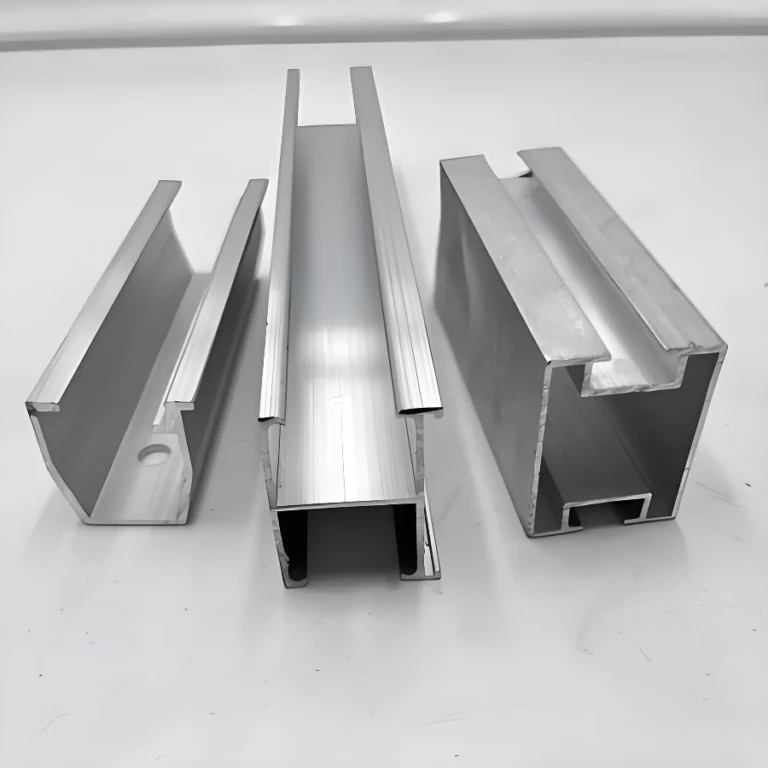
Lightweight and modular with no on-site welding required. Suitable for load-sensitive projects, but with higher initial costs and stricter waterproofing requirements.
Material Selection Strategy
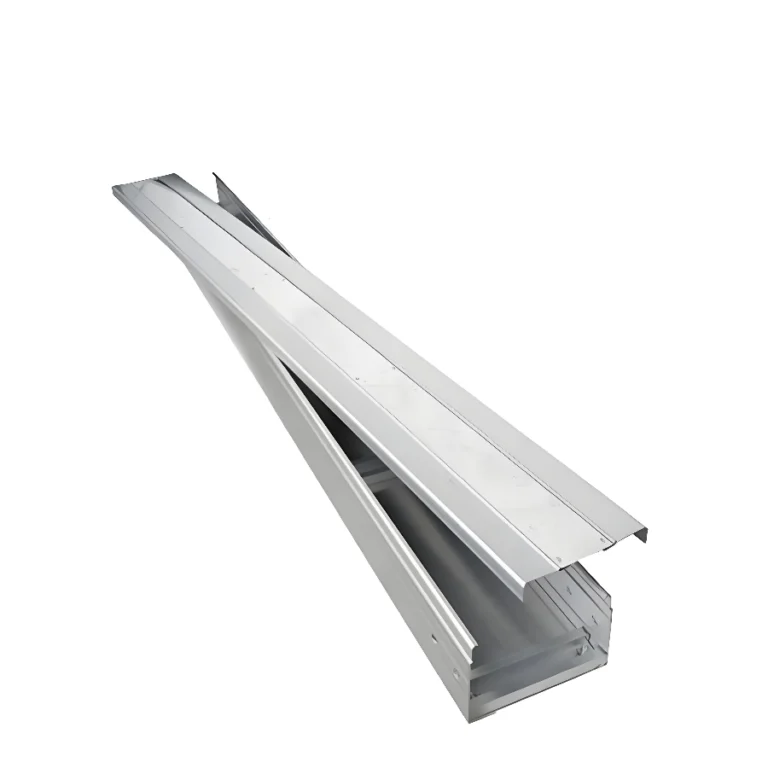
Material selection directly affects service life, structural safety, and total project cost. Commonly used materials include:
Key Design Features and Engineering Optimization
Waterproofing Design
Foam rods and sealant are applied at PV module joints, with color steel sheets or aluminum alloy cover plates installed on top to effectively prevent water leakage.
Wind Resistance Design
Structural design complies with local wind load standards. PV module tilt angles typically range from 5° to 10°, with optimized designs capable of resisting wind speeds exceeding 90 mph.
Installation Optimization
PV modules are fixed using aluminum mid and end clamps (four clamps per module). Prefabricated components minimize on-site work and improve installation efficiency.