

Rooftop Solar Mounting Solution
Solution Overview
Rooftop solar mounting systems are critical structural components of photovoltaic power plants, designed to support and secure PV modules on building roofs.
System design must be customized according to roof types—such as metal sheet roofs, pitched tile roofs, and flat concrete roofs—to ensure structural safety, installation efficiency, and long-term performance.
Main Types of Rooftop Mounting Structures
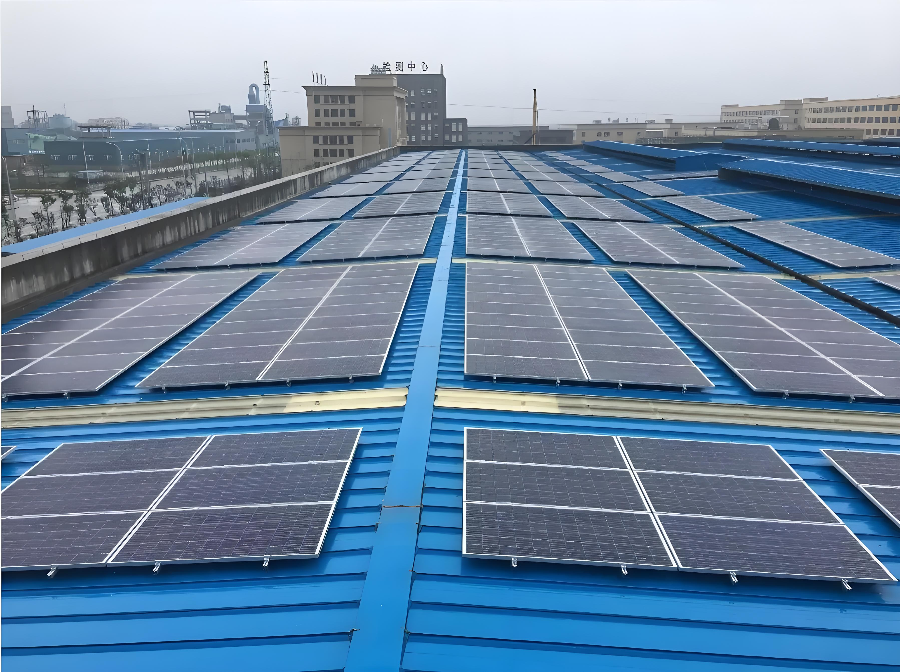
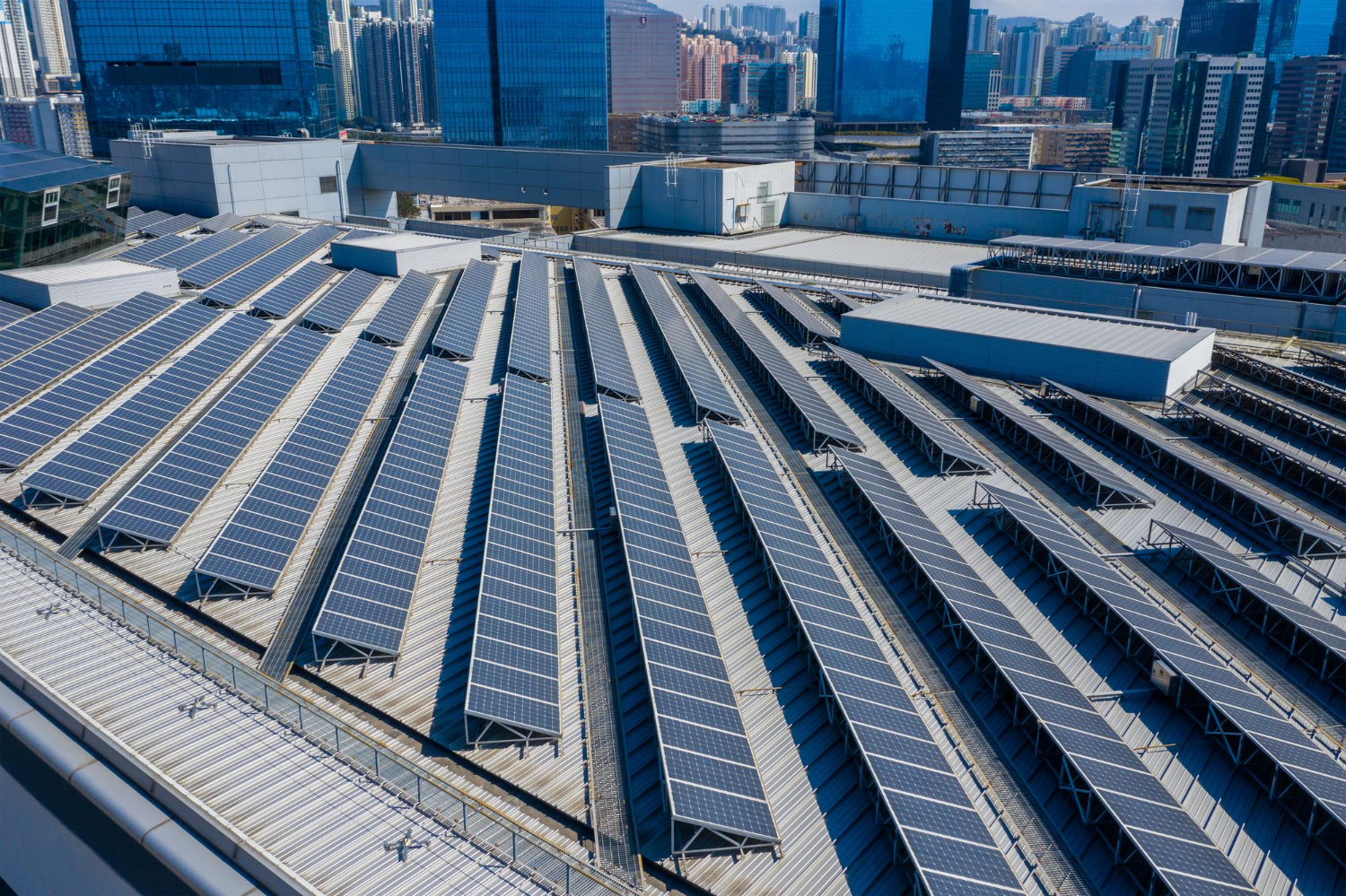
Metal Sheet (Color Steel) Roof Mounting Systems
Designed for industrial and commercial metal roofs, these systems use roof clamps or fixing accessories to connect directly to roof seams or ribs.
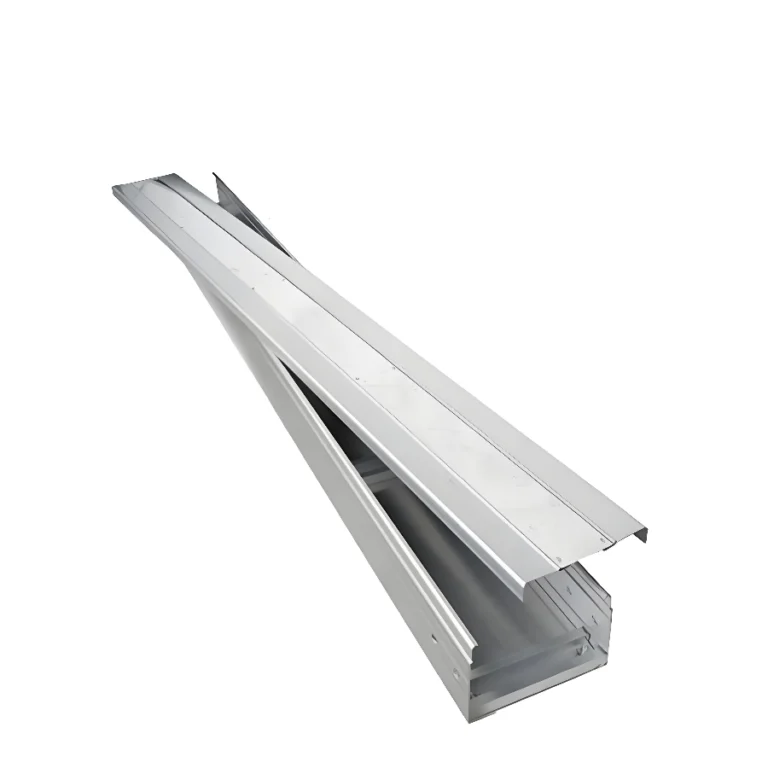
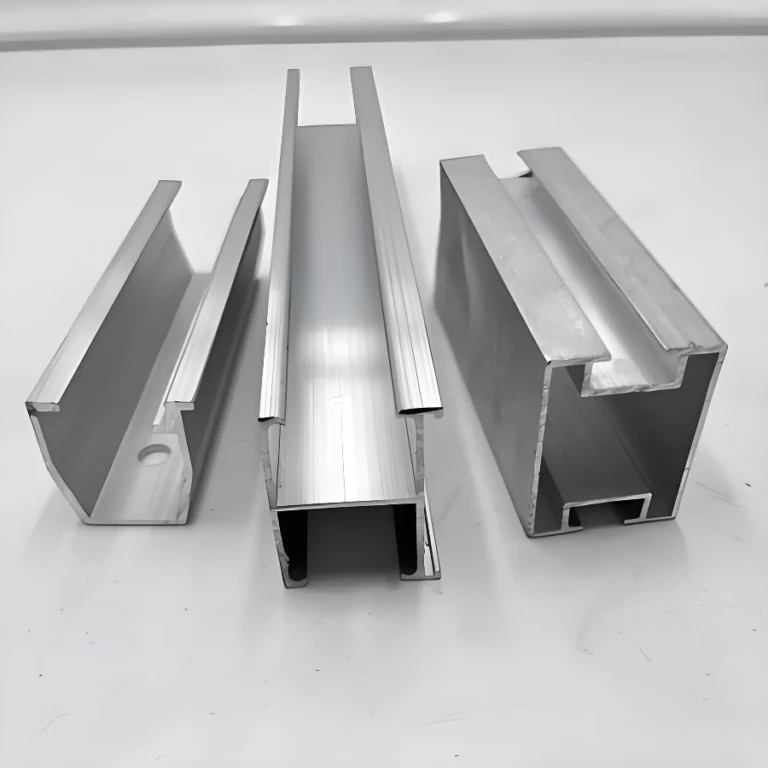
The structure consists of aluminum rails, steel profiles, and module clamps, forming a stable support framework.
Non-penetrating or low-penetration installation
No damage to roof waterproof layers
High flexibility and fast installation
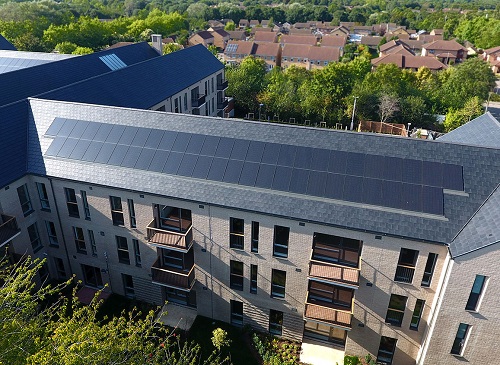
Pitched Roof (Tile Roof) Mounting Systems
Mounted parallel to the roof slope, with PV modules elevated approximately 100 mm above the roof surface to improve ventilation and heat dissipation.
Alternatively, systems can be designed with a front-low / rear-high tilt to achieve optimal solar exposure.
Suitable for residential and villa rooftops
Lightweight aluminum structures
Enhanced airflow for improved system efficiency
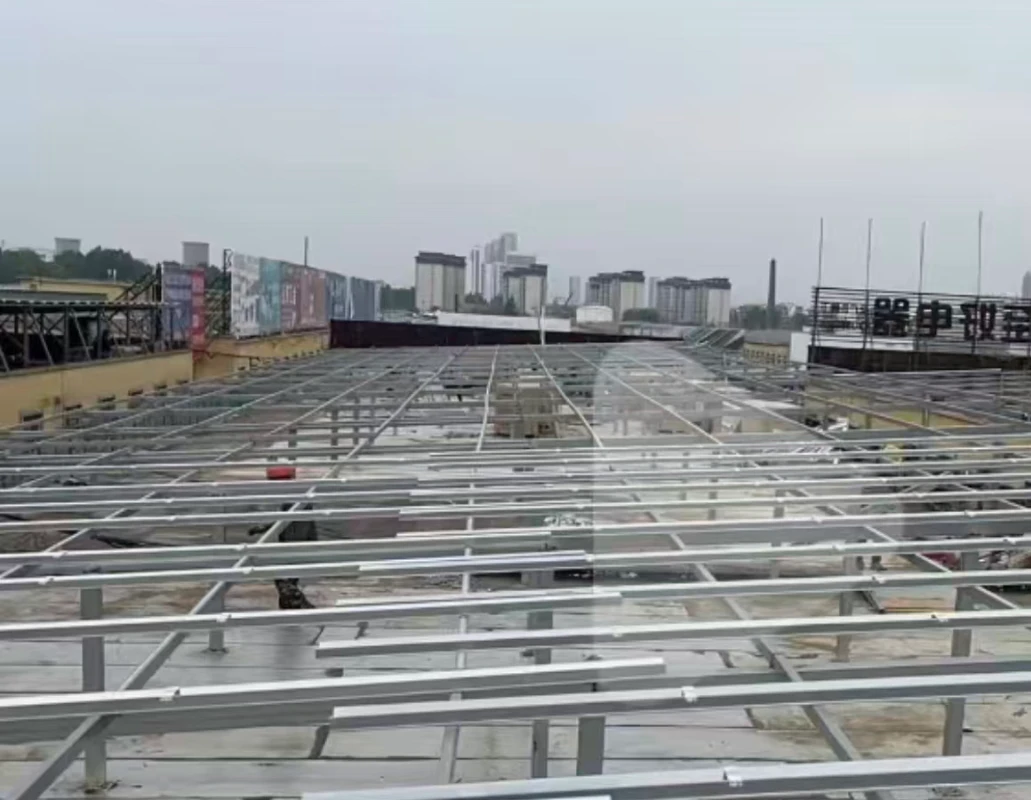
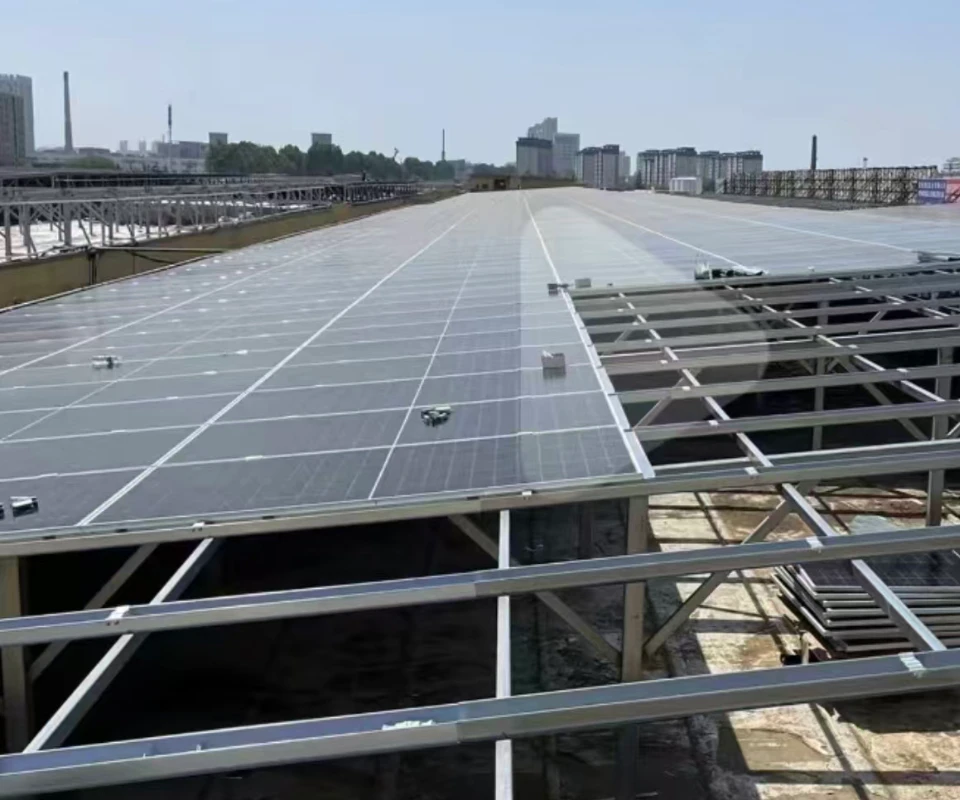
Flat Roof Mounting Systems
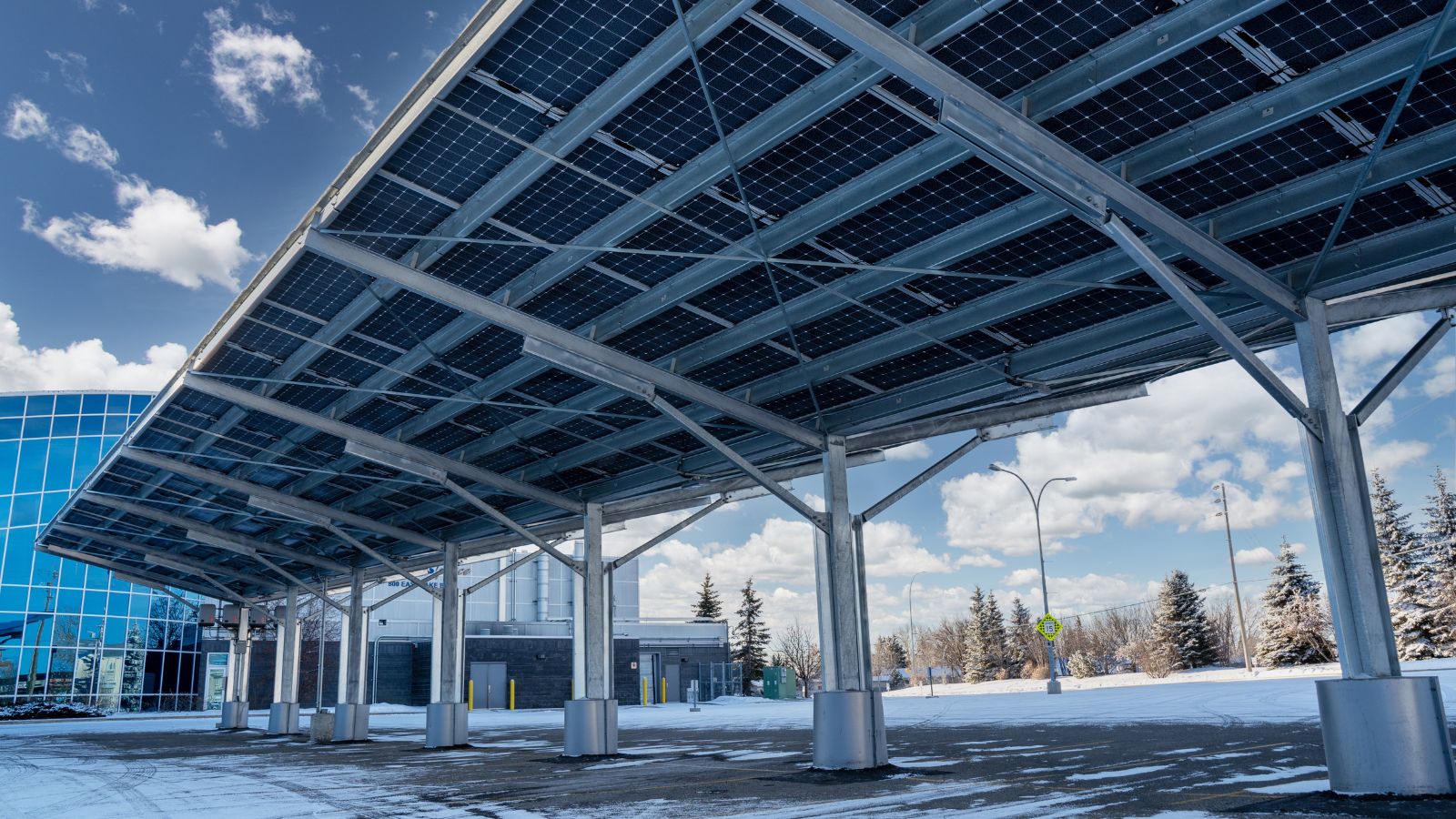
Structurally similar to ground-mounted systems, flat roof structures typically use concrete foundations or ballast blocks to avoid penetrating the waterproof layer.
Posts are connected to foundations via anchor bolts or embedded components
Stable load distribution without roof damage
Suitable for commercial buildings and large flat roofs
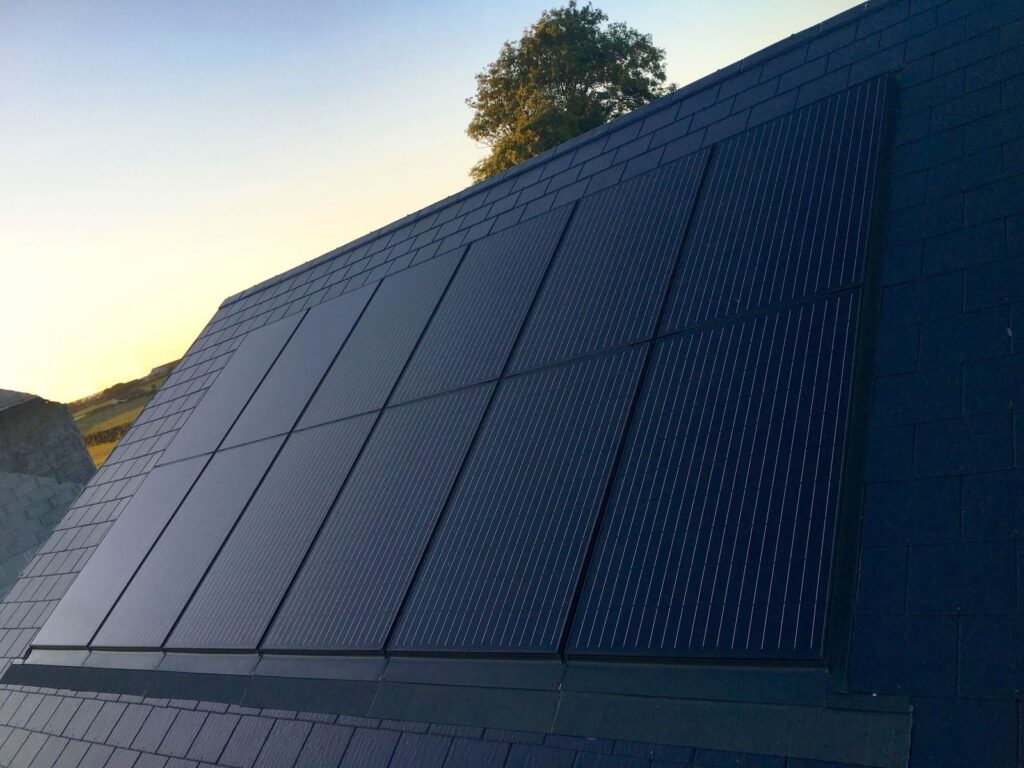
BIPV (Building-Integrated Photovoltaics) Mounting Systems
As part of the building envelope, BIPV mounting systems combine power generation and architectural functions.
They are designed and installed simultaneously with the building structure, enhancing both energy efficiency and architectural aesthetics.
Designed for Safety, Efficiency, and Longevity
Rooftop solar mounting systems are engineered to balance structural integrity, installation convenience, and long-term durability, ensuring reliable performance throughout the system’s service life.
Key Design Considerations
Structural Safety
Mounting systems must be securely connected to the main building structure, not merely the roof covering materials.
Roof load capacity must be evaluated before installation.
Installation Method
Installation should minimize roof penetration.
Any penetrated waterproof layers must undergo secondary sealing and protection.
Environmental Adaptability
Anti-corrosion treatments and rust protection measures are required based on local climate conditions.
Waterproof & Drainage Requirements
For flat roofs, the lower edge of PV modules should be positioned at least 150 mm above the roof surface to prevent mud splash and water accumulation.