

Engineered for Harsh Outdoor Environments
Solar mounting systems operate continuously under extreme wind, snow, temperature fluctuations, and corrosive conditions.
Our engineering-focused design ensures long-term structural safety and stable performance over the entire project lifecycle.
Why Engineering Matters in Solar Mounting Systems
Unlike short-term structures, solar mounting systems are required to operate reliably for over 25 years with minimal maintenance.
Engineering-driven design is essential to balance durability, safety, and lifecycle cost.
Designed for Extreme Climate Conditions
Our mounting systems are engineered to withstand a wide range of environmental challenges, including:
Wind resistance up to 52 m/s (typhoon-level)
Snow load capacity up to 1.5 kPa
Operating temperature range: -40°C to +50°C
Full Lifecycle Engineering Support
We provide engineering support covering design, manufacturing, inspection, and delivery stages.
Project-specific structural design based on local climate data
Strict material and coating inspection before shipment
Pre-assembly checks to ensure installation efficiency

Structural Optimization & Load Control
Engineering analysis is applied to optimize load distribution and reduce stress concentration at key connection points.
Key design principles include:
Optimized structural layout based on site conditions
Reinforced connection nodes for fatigue resistance
Drainage and self-cleaning design to reduce corrosion risk
Material Selection & Corrosion Protection
Material selection is based on mechanical strength, corrosion resistance, and long-term outdoor performance.
Common material options include:
6005-T5 aluminum alloy profiles with anodized surface treatment
High-strength structural steel (Q355B / Q345B)
Hot-dip galvanized coating ≥85–100 μm
Stainless steel fasteners (304 / 316)
These solutions are suitable for coastal, industrial pollution, high-humidity, and acidic environments.
Foundation Solutions for Ground-Mounted Systems
To match different geological conditions, two main foundation solutions are commonly applied:
Concrete Foundation System
High structural reliability and long service life
Suitable for plains, deserts, and complex soil conditions
Screw Pile Foundation System
Fast installation with minimal ground disturbance
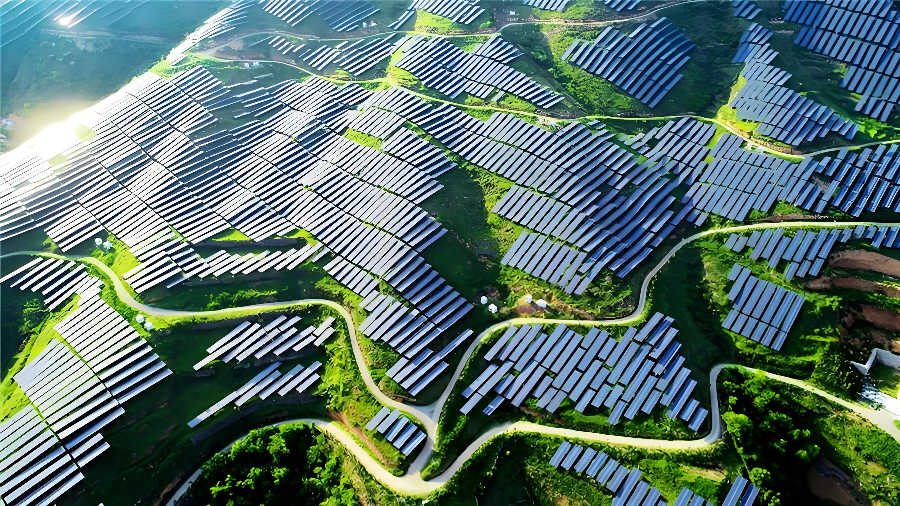
Suitable for grasslands, farmland, and sloped terrain
Our Standardized Custom Service Process

Project Requirement Collection
We collect key project information, including application type, installation location, environmental conditions, and estimated system scale.
Key inputs include:
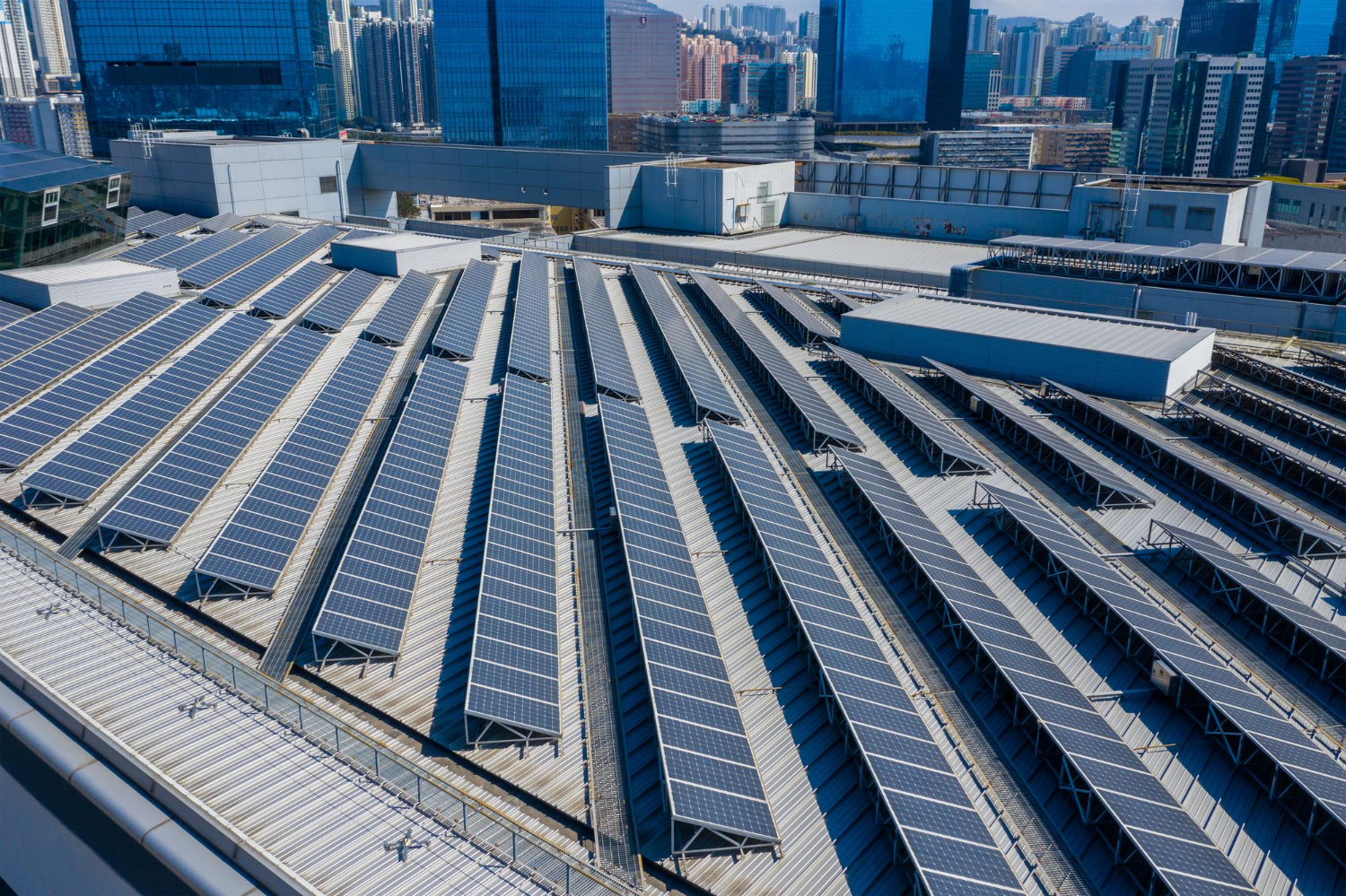
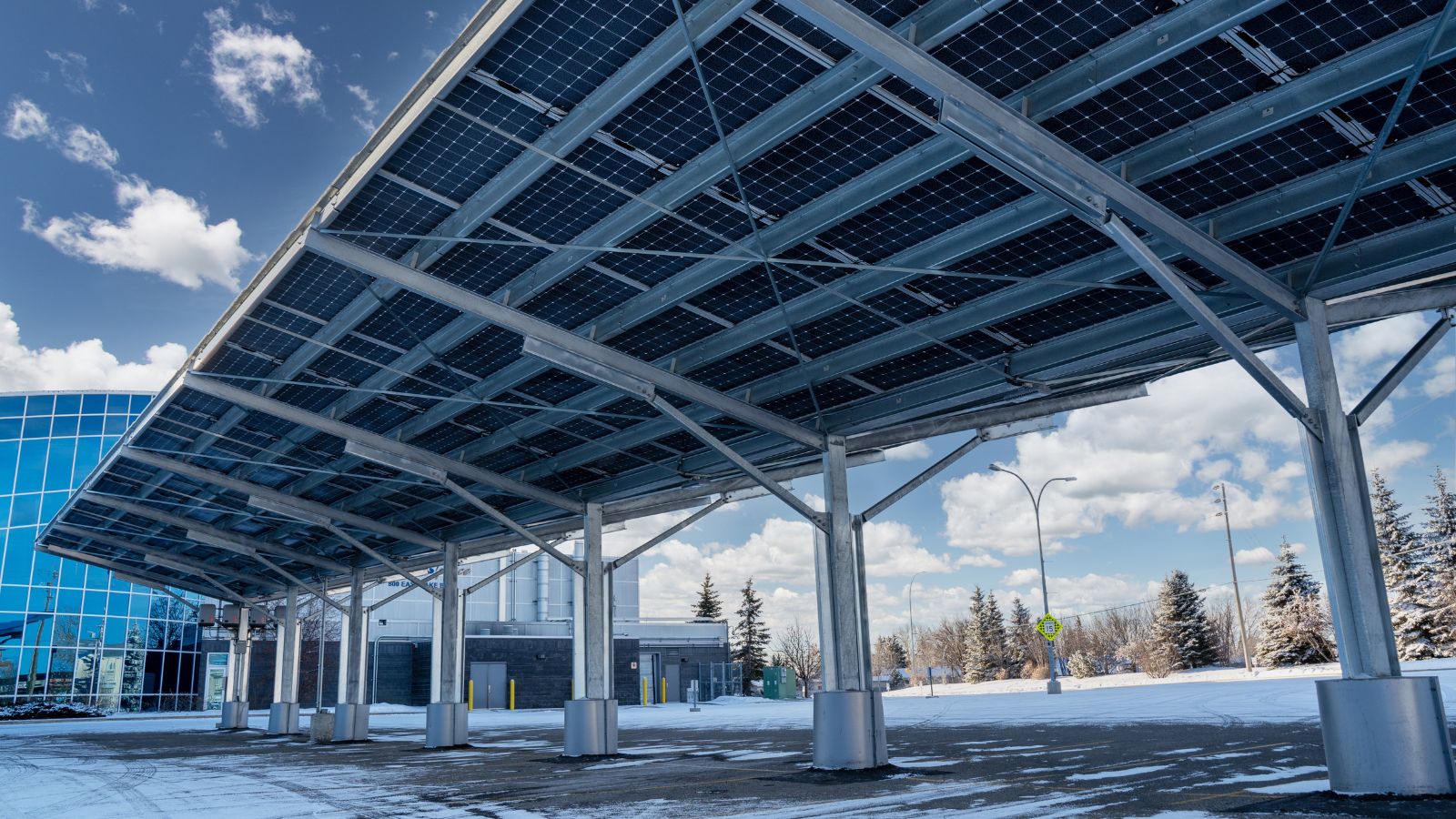
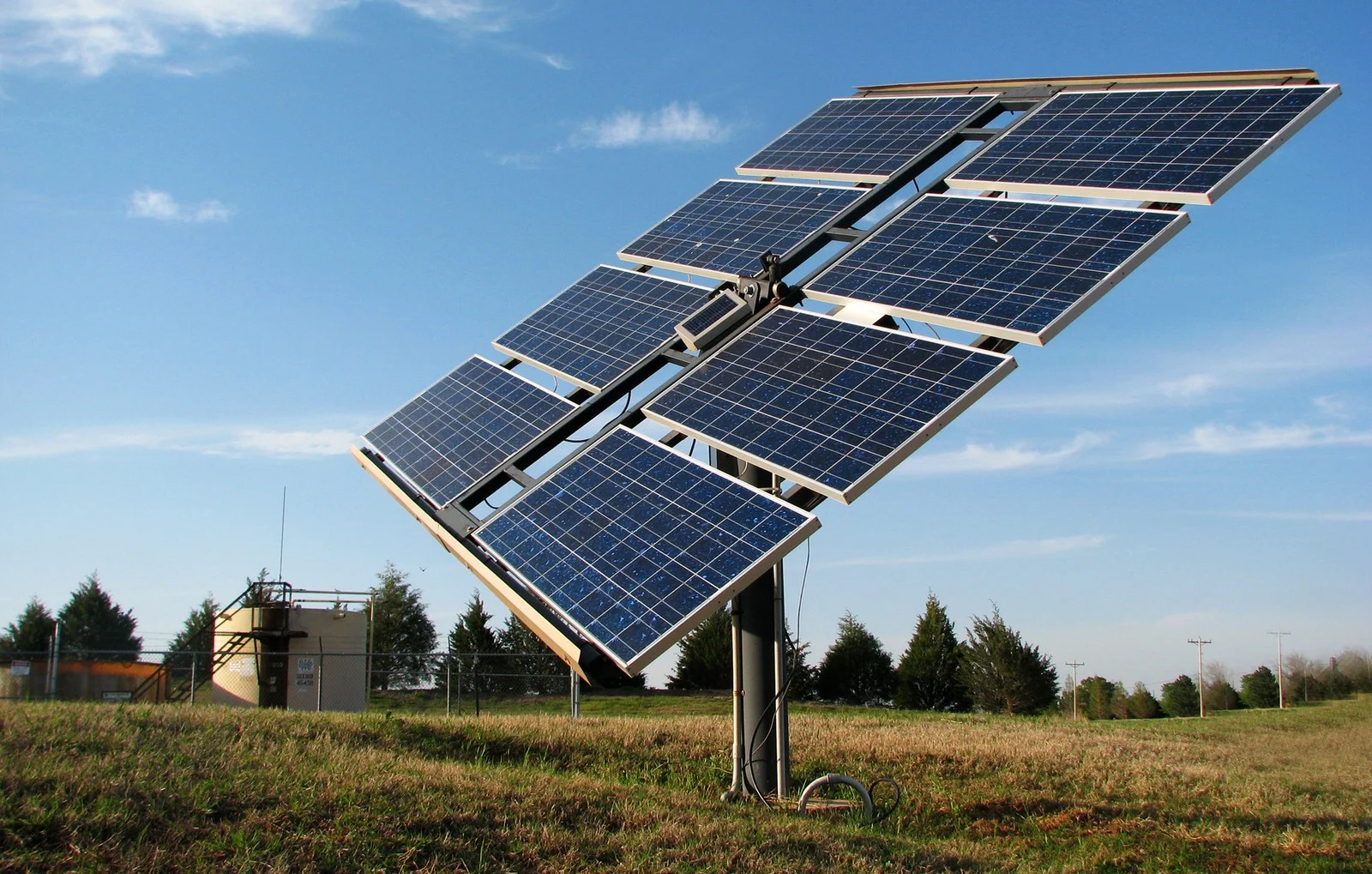
Project type (rooftop / ground / carport / tracking)
Installation environment and location
Wind and snow load requirements
Local standards or client specifications
Structural System Evaluation
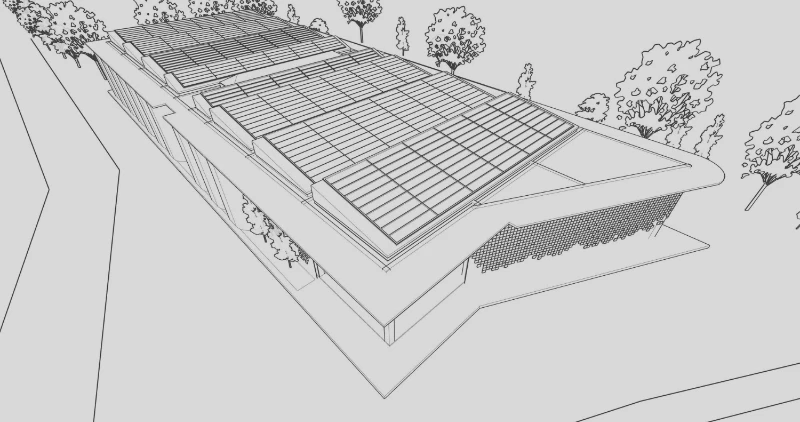
Based on project requirements, our engineering team evaluates suitable mounting system configurations and structural layouts.
Evaluation focuses on:
Structural feasibility
Load distribution and safety
Installation practicality
Material & Surface Treatment Selection
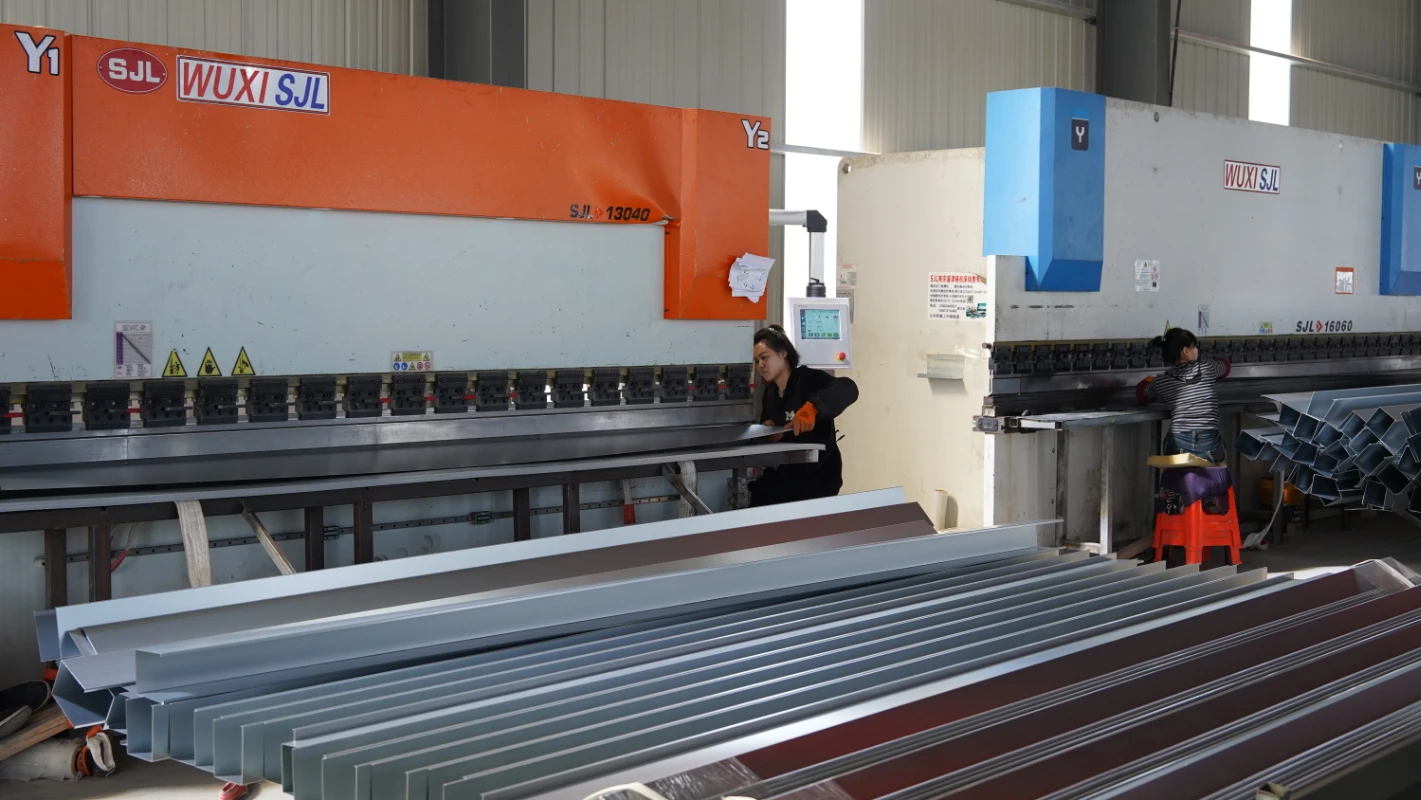
Materials and surface treatments are selected according to environmental exposure and project lifespan requirements.
Common options include:
Hot-dip galvanized steel
Zinc-aluminum-magnesium coated steel
Aluminum alloy components
Engineering Design & Optimization
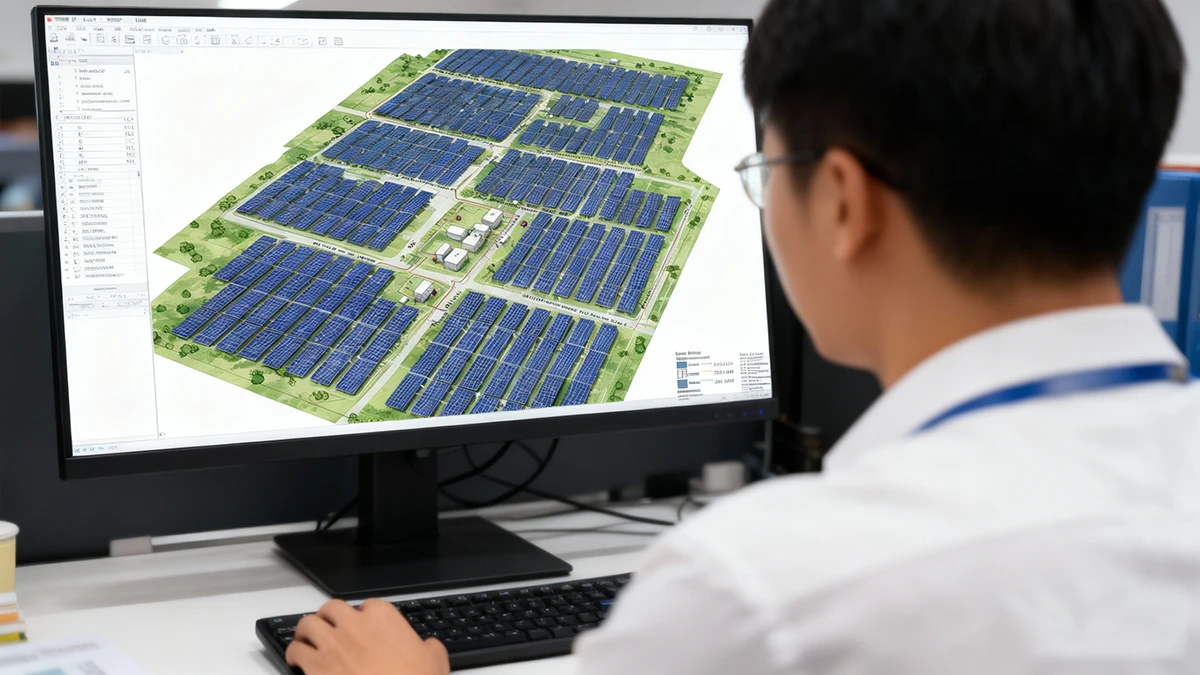
Engineering drawings and structural details are developed to ensure system stability, safety, and efficient manufacturing.
Design considerations include:
Structural load calculations
Component compatibility
Installation efficiency
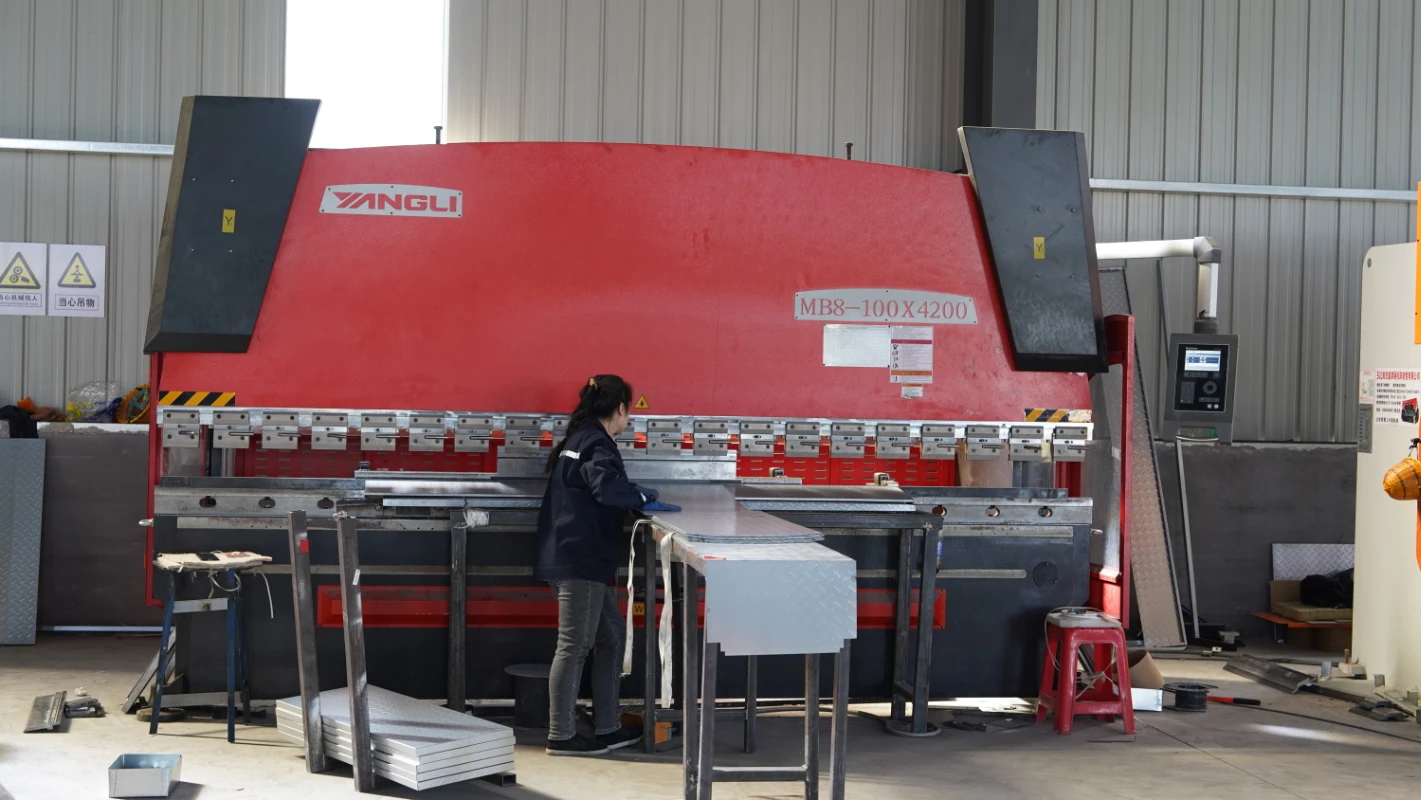
Manufacturing & Quality Control
Customized components are manufactured in-house under controlled production processes and inspected before delivery.
Quality checks include:
Dimensional accuracy inspection
Coating thickness measurement
Pre-assembly verification
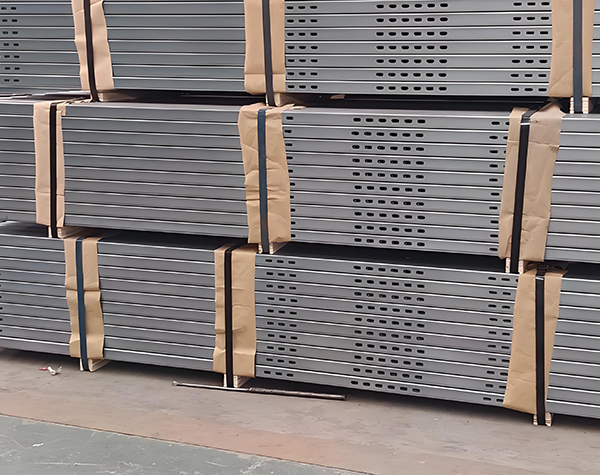
Packaging, Delivery & Technical Support
Products are packaged according to export standards. Technical support is available during installation if required.

Start Your Custom Solar Mounting Project
Contact our team to discuss your project requirements and customized structural solutions.
Compliance and Risk Notice
For special environments (such as high-humidity industrial areas), additional requirements must be specified, for example, increasing the galvanization thickness to 100 μm.
All quotations and terms shall be based on the latest market data.