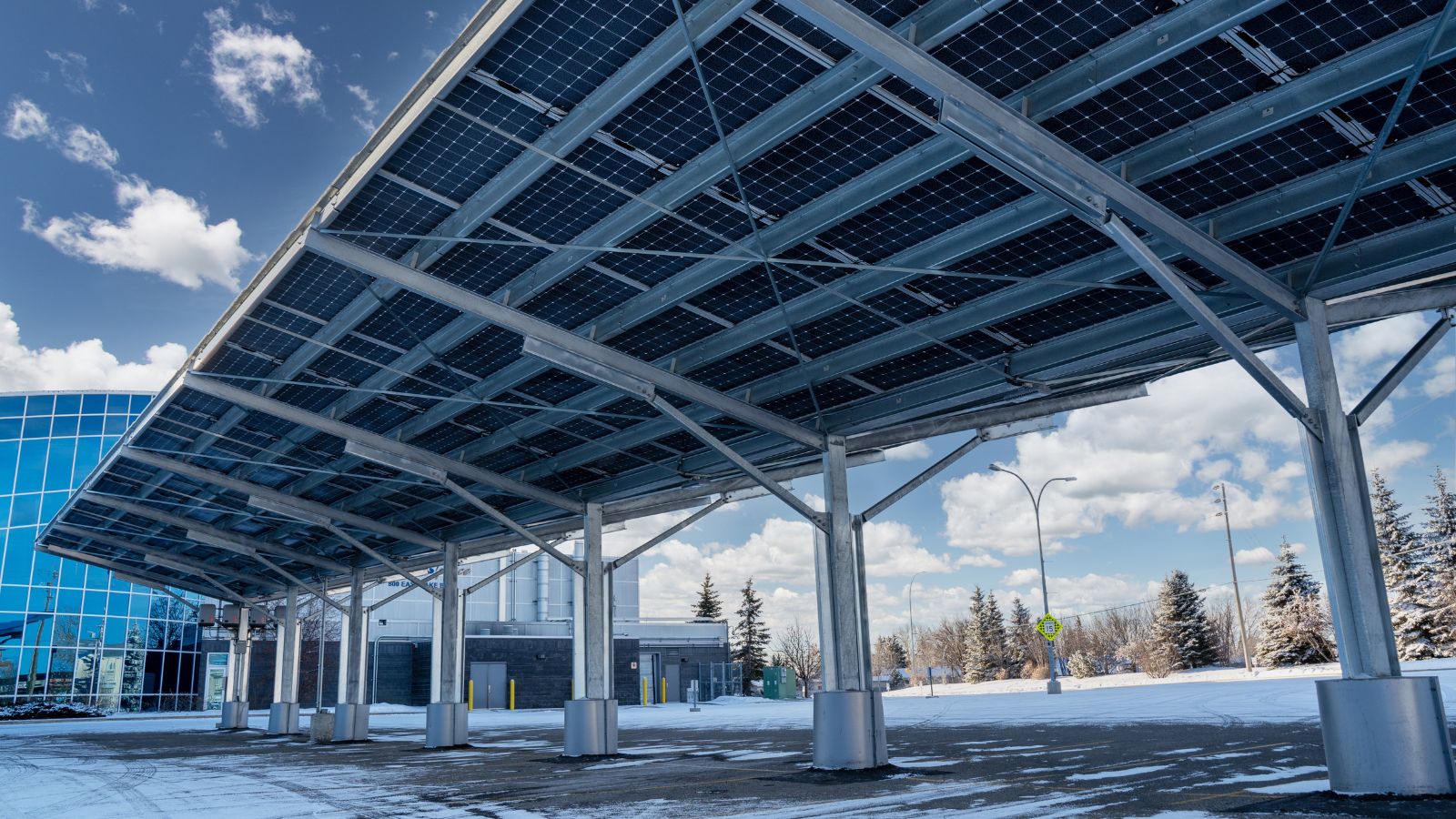
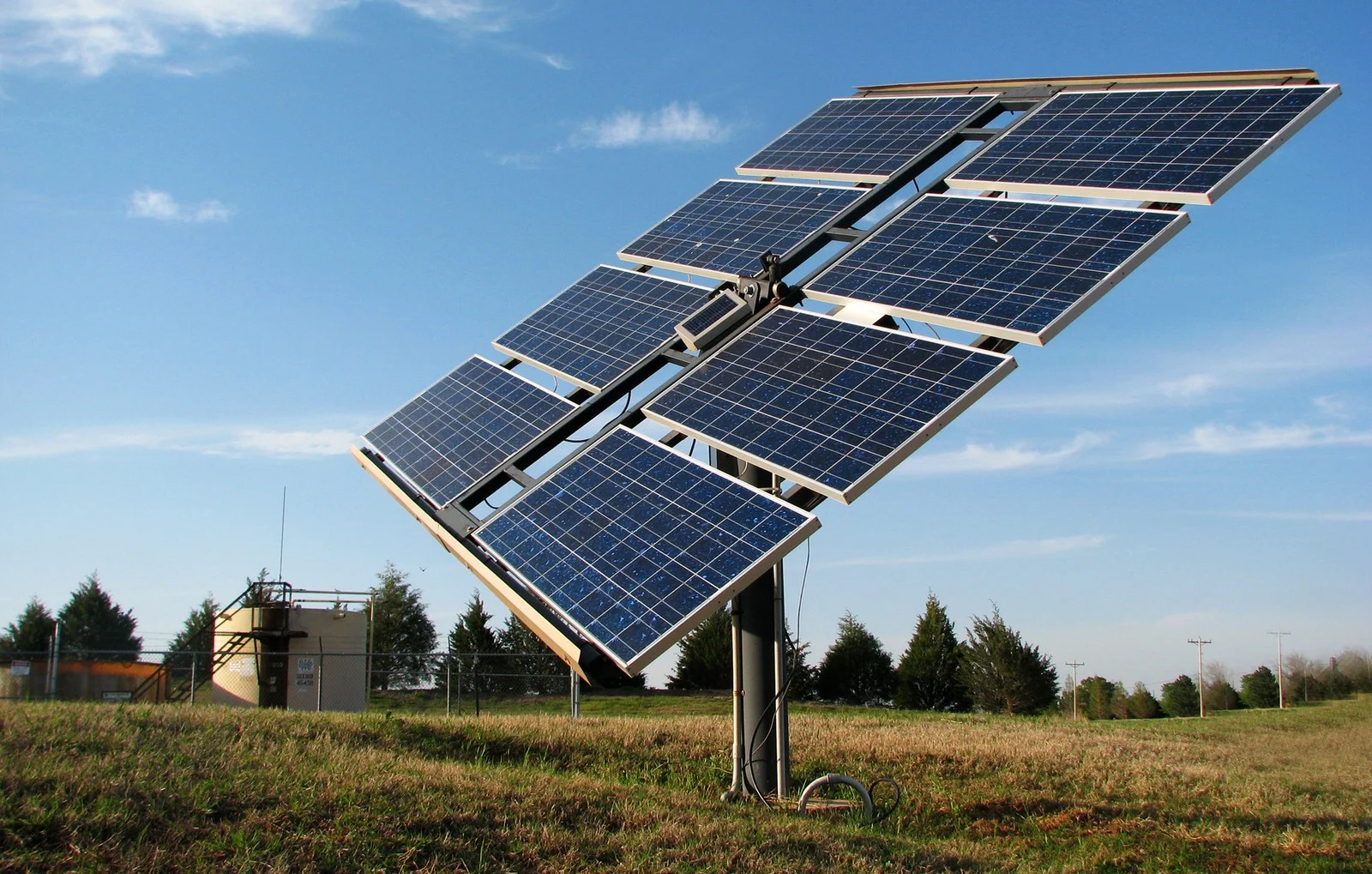
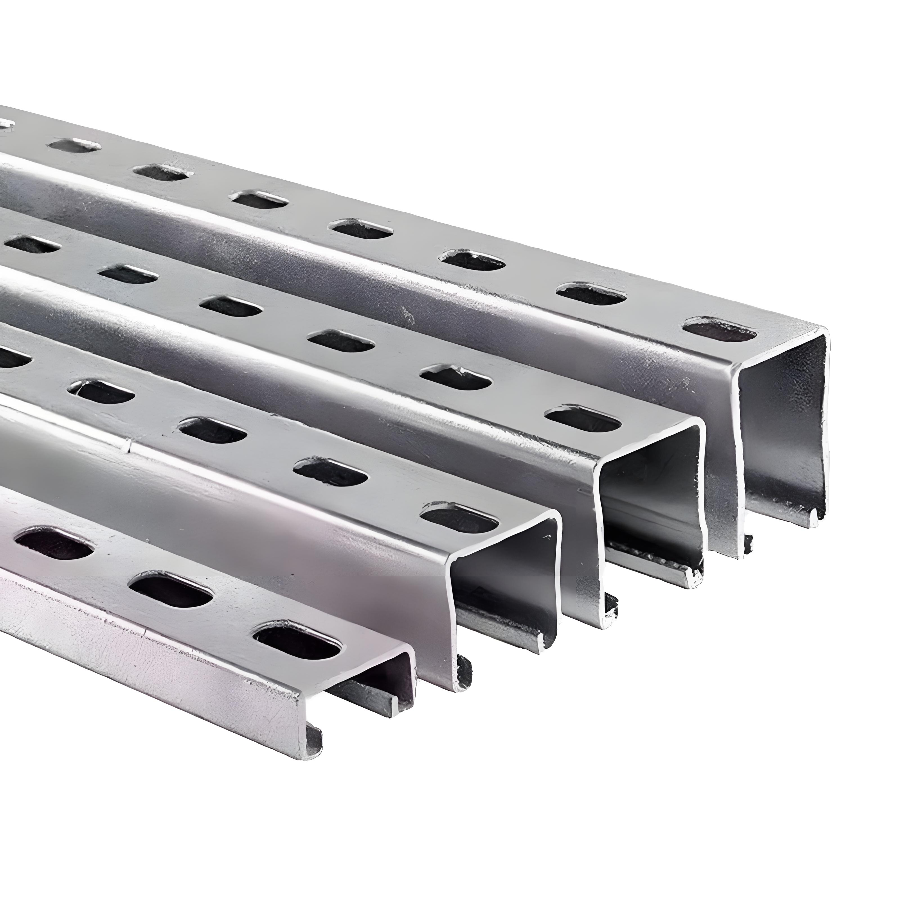
When selecting metal anti-corrosion materials for solar mounting structures, steel profiles, outdoor buildings, municipal projects, warehouse racks, and industrial equipment, two surface treatments dominate global engineering procurement: Zinc Aluminum Magnesium (ZAM) and Hot Dip Galvanized (HDG).
Most overseas buyers and project engineers struggle to distinguish ZAM coating from ordinary hot dip galvanized steel. Which material delivers stronger salt spray resistance? Which one maintains stable performance in coastal humid areas? Which option brings the best long-term value for photovoltaic support projects?
In this guide, we break down the core differences between zinc aluminum magnesium and hot dip galvanized steel, covering coating composition, anti-rust lifespan, surface performance, budget cost, and practical selection standards for outdoor steel structures.
1. Basic Introduction to ZAM and HDG Coatings
1.1 What is Zinc Aluminum Magnesium (ZAM) Coating?
ZAM is a high-performance ternary alloy coating composed of zinc, aluminum and magnesium. The magnesium element greatly improves the compactness of the protective film. Even after cutting, drilling and surface scratching, the alloy layer can form a passivation film automatically to protect bare steel edges.
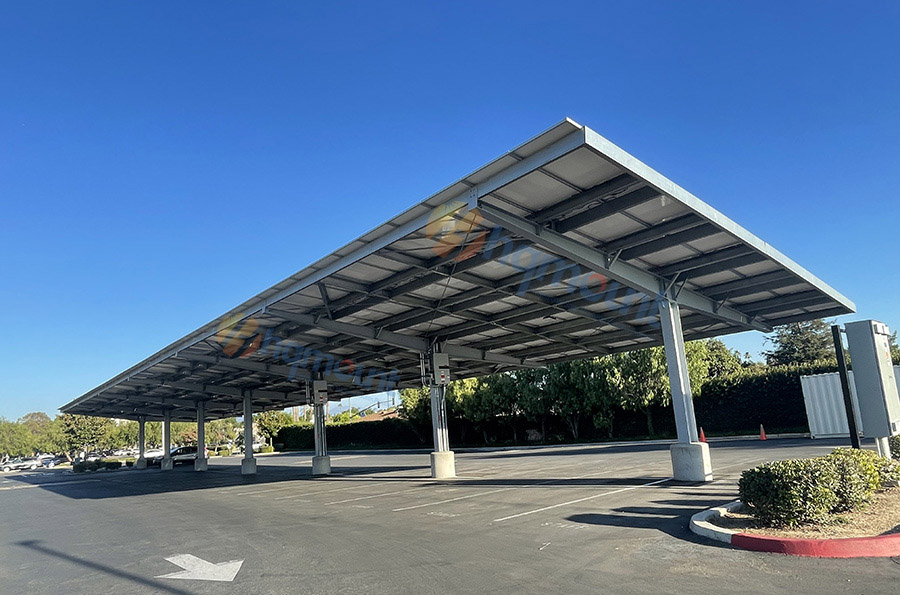
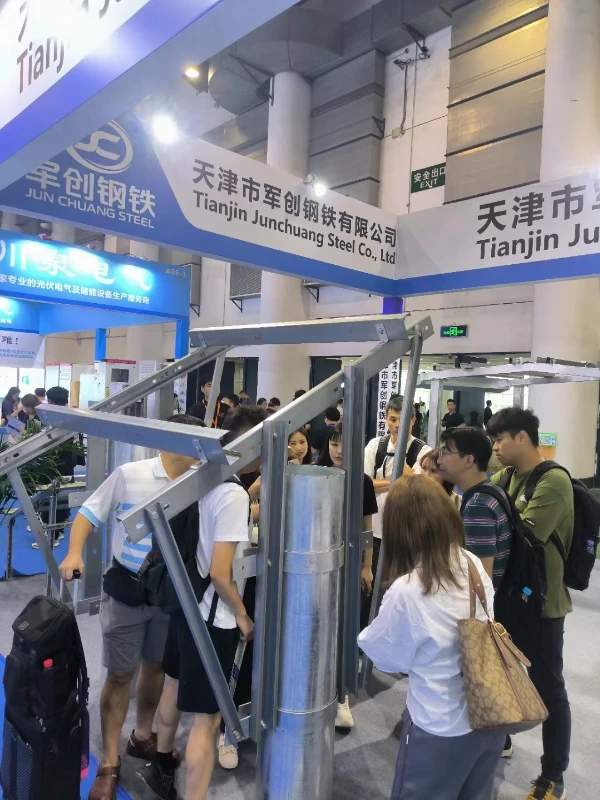
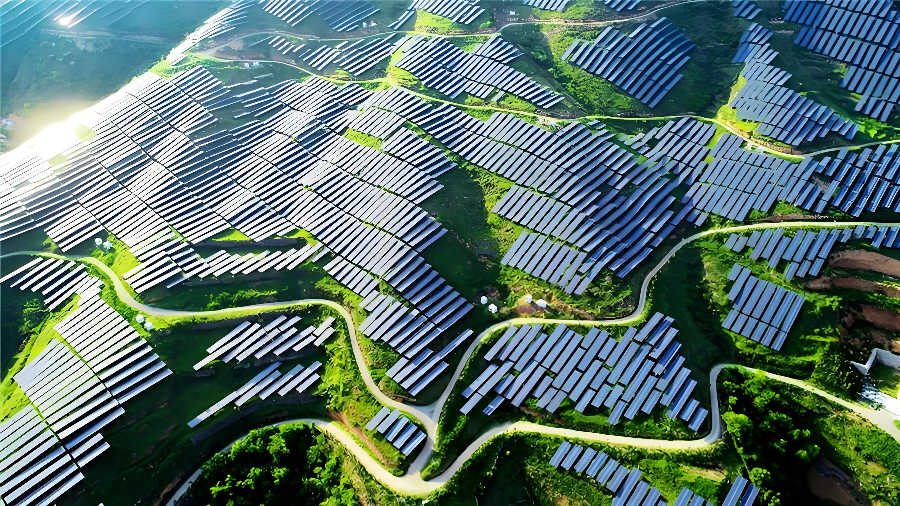
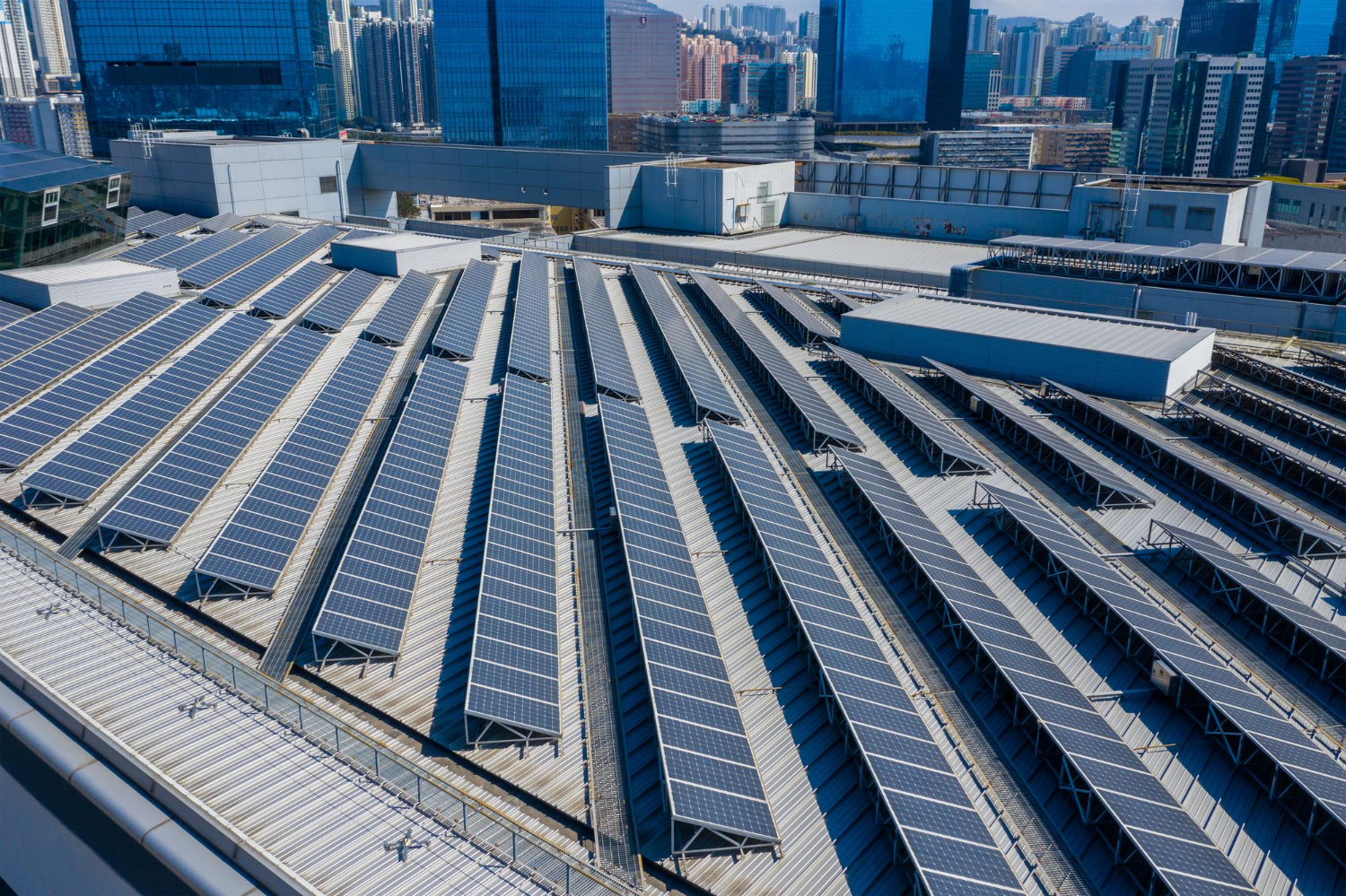
If you are sourcing long-life outdoor steel products, ZAM solar bracket has become the mainstream upgraded material in the photovoltaic industry.
Core merits of ZAM steel:
• 3~5 times higher corrosion resistance than conventional galvanized steel
• Excellent self-healing performance on cutting cross-sections
• Hardly generates white rust in high-salt coastal environments
• Flat silver-gray surface without uneven zinc spangles
• Maintenance-free service life up to 25~50 years outdoors
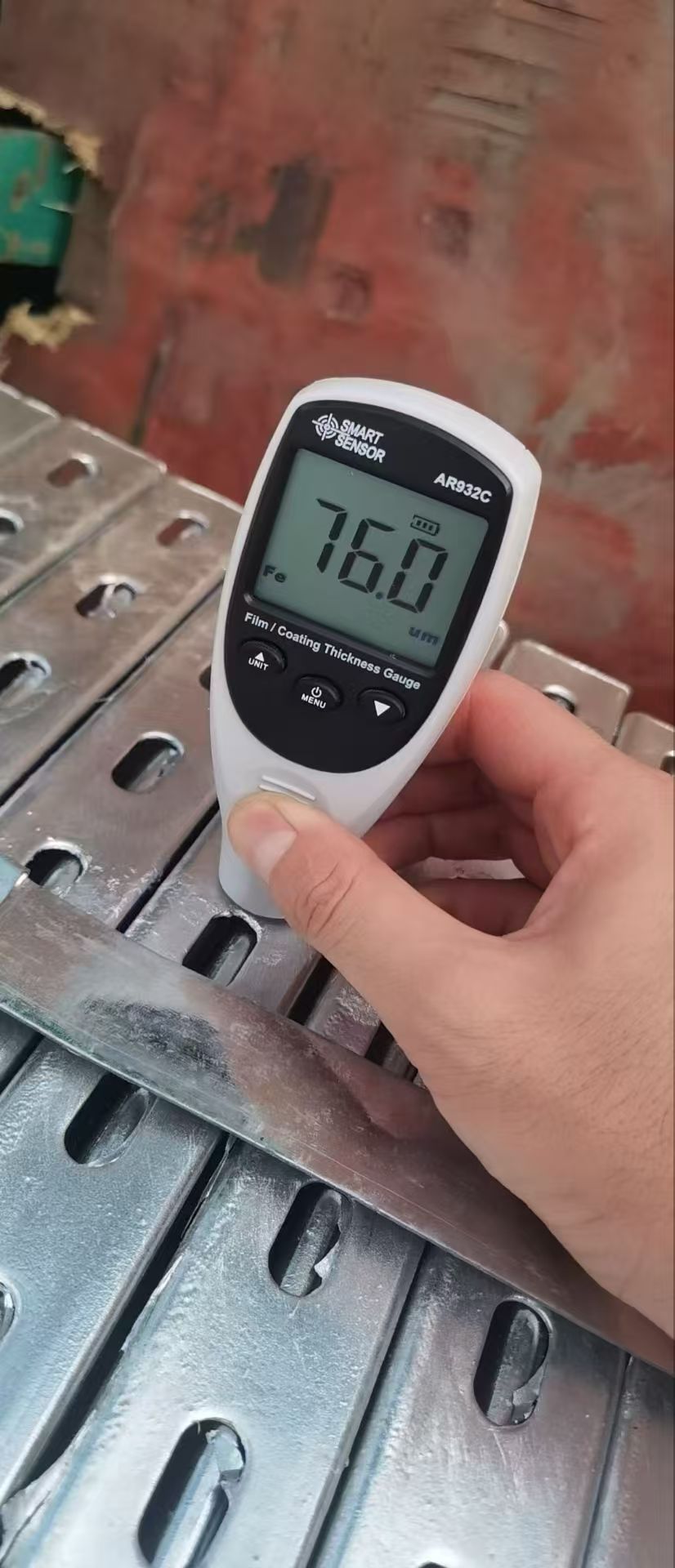
1.2 What Is Hot Dip Galvanized (HDG)?
Hot dip galvanizing is a mature traditional anti-corrosion process. Carbon steel is immersed in molten pure zinc at high temperature to form a thick pure zinc coating on the substrate. HDG technology has been widely used in steel engineering for decades with stable processing quality and low production cost.
Features of HDG steel:
• Thick zinc layer with high mechanical adhesion
• Low raw material cost for short-cycle projects
• Suitable for inland dry outdoor conditions
• Cutting edges lose anti-rust protection without supplementary painting
For basic anti-corrosion principle comparison, you can check the test data published on steel anti-corrosion coating technology research .
2. Core Differences Between ZAM and Hot Dip Galvanized Steel
2.1 Coating Chemical Composition
• ZAM: Alloy of Zn + Al + Mg, multi-element passivation system
• HDG: Single pure zinc layer, no aluminum and magnesium alloy components
2.2 Salt Spray & Corrosion Resistance
This is the biggest performance gap between the two materials. Zinc aluminum magnesium alloy can resist chloride ion erosion effectively. It works reliably on islands, seaside wharves and industrial zones with acid rain. Ordinary hot dip galvanized steel is prone to white rust and red rust within 3~6 years in coastal salt fog zones.
2.3 Edge Self-Repair Ability
ZAM’s self-healing feature is irreplaceable for fabricated steel parts with plenty of cut openings. Exposed metal sections will be covered by oxidation film spontaneously. Hot dip galvanized steel has no cathodic protection on cut edges. Unprocessed bare steel will corrode rapidly.
2.4 Surface Appearance & Machining Performance
• ZAM: Smooth uniform finish, good for finished components with appearance requirements
• HDG: Rough surface with natural zinc crystals; thick steel often gets uneven coating after galvanizing
2.5 Service Life & Comprehensive Cost
• ZAM steel: 20~50 years outdoor service, zero later maintenance
• HDG steel: 8~15 years service life, requiring regular rust removal and repainting
Although ZAM raw material price is moderately higher, it saves huge secondary anti-corrosion cost for long-term projects. In most solar farm projects, ZAM brings better overall cost performance than HDG.
The lifespan test data of galvanized alloy coatings can be referred to the report released by international steel structure association .
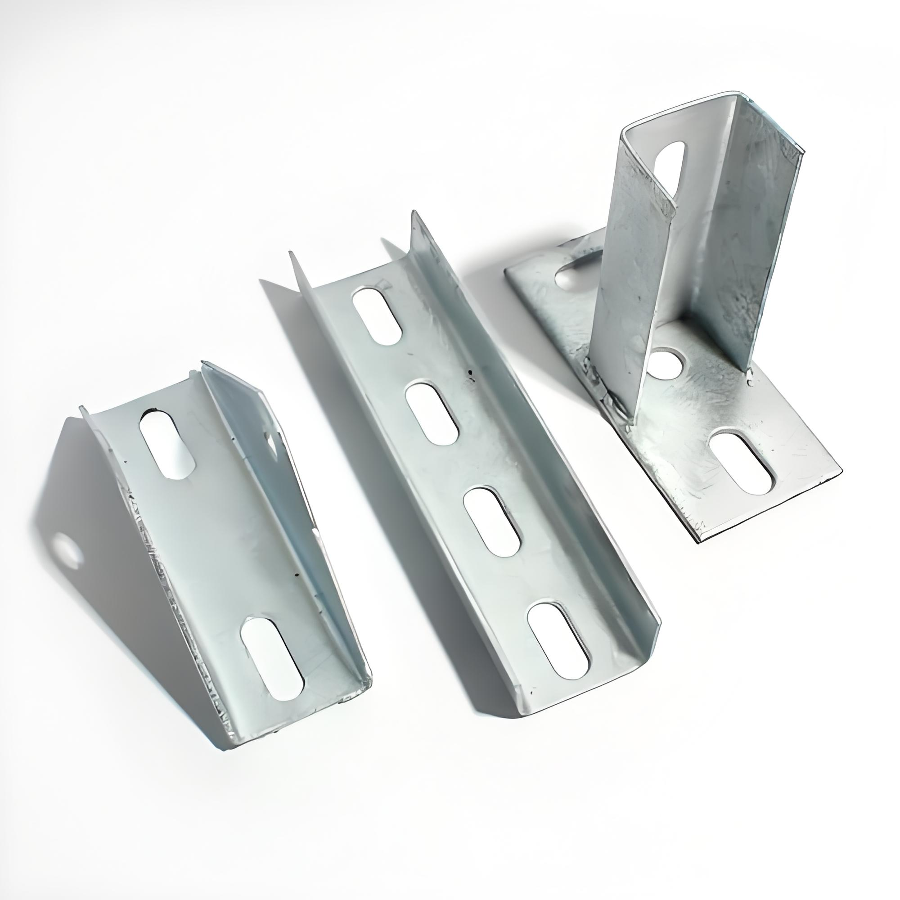
3. Material Selection Guide: ZAM or Hot Dip Galvanized?
Pick Zinc Aluminum Magnesium (ZAM) If You Have These Project Conditions:
1. Photovoltaic solar mounting brackets, carport steel structures
2. Coastal islands, seaside areas, high salt-spray environments
3. Tropical rainy regions with long-term high humidity
4. Projects requiring 20+ years of maintenance-free operation
5. Outdoor finished steel with strict surface aesthetic standards
Choose Hot Dip Galvanized (HDG) Under These Circumstances:
1. Inland dry ordinary outdoor construction
2. Short-term temporary steel facilities with tight budgets
3. Indoor warehouse storage racks and factory equipment frames
4. Projects that allow periodic anti-rust maintenance
4. Final Conclusion
Both Zinc Aluminum Magnesium and Hot Dip Galvanized are mature anti-corrosion solutions for structural steel. Hot dip galvanizing is a cost-effective conventional choice for mild inland environments. Zinc aluminum magnesium ZAM coating stands out for harsh coastal climates and long-life photovoltaic projects, thanks to its superior anti-corrosion performance and edge self-repair effect.
For global solar farm procurement, more and more contractors replace traditional HDG steel with zinc aluminum magnesium steel profiles to reduce after-sales corrosion problems.
If you need third-party salt spray test reports, you can submit samples to professional metal corrosion testing laboratory for certification.
SEO Optimization Data & Backlink List (Ready for Google Ranking)