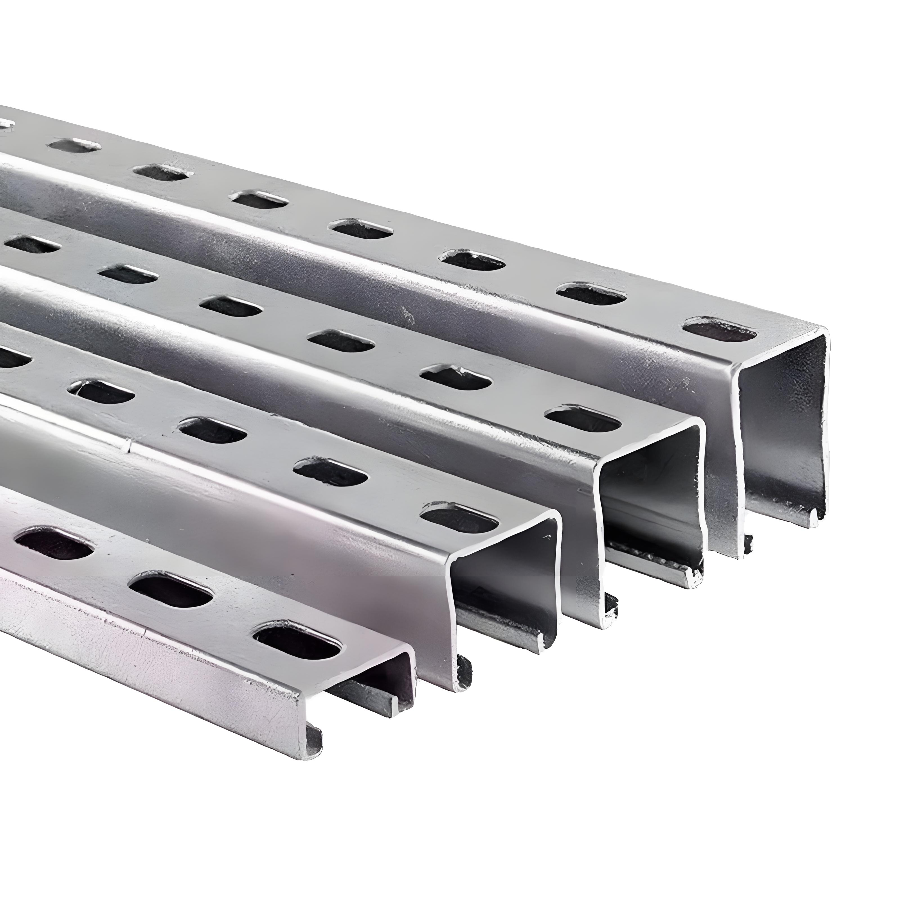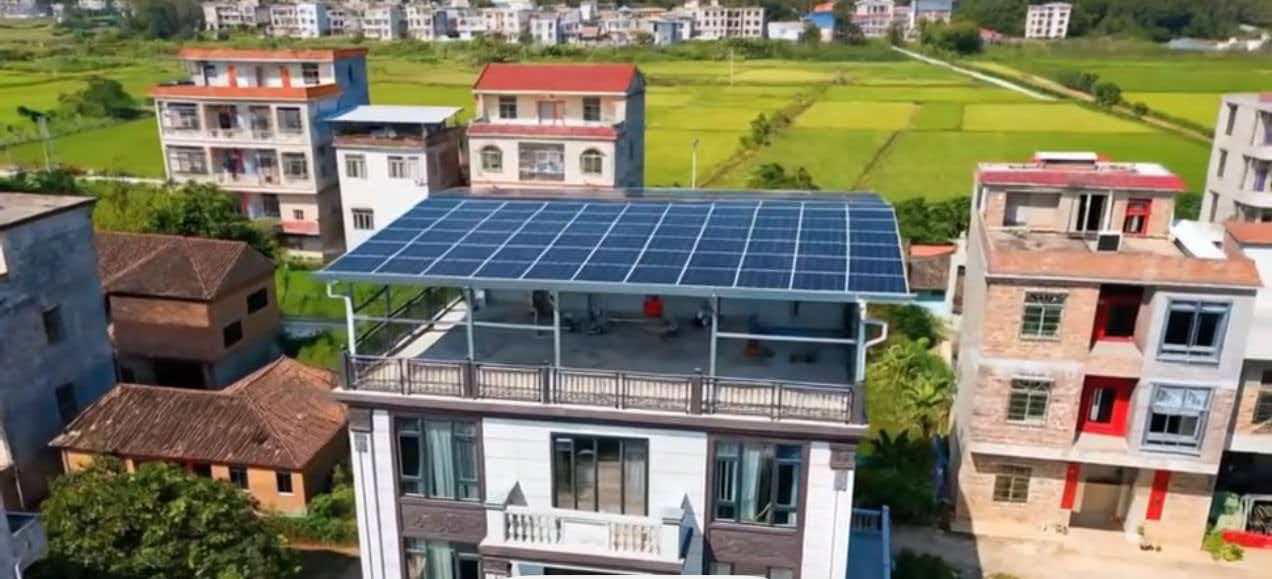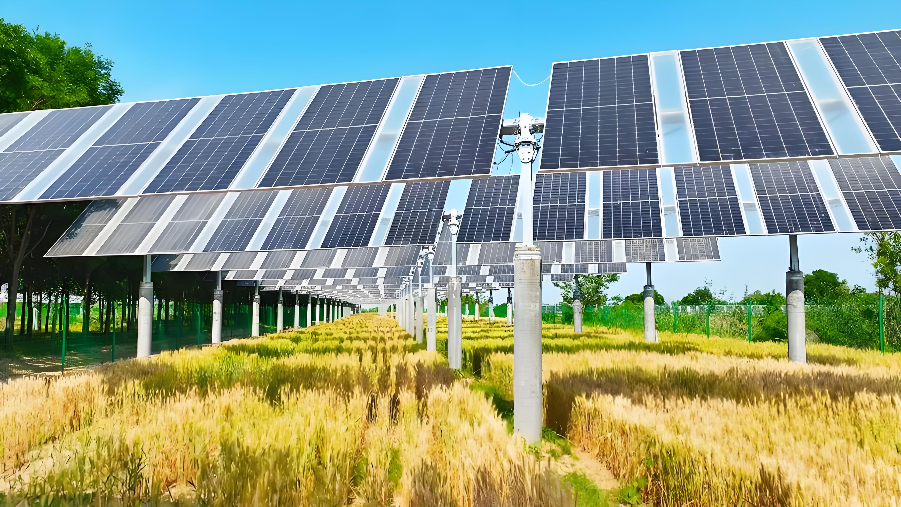
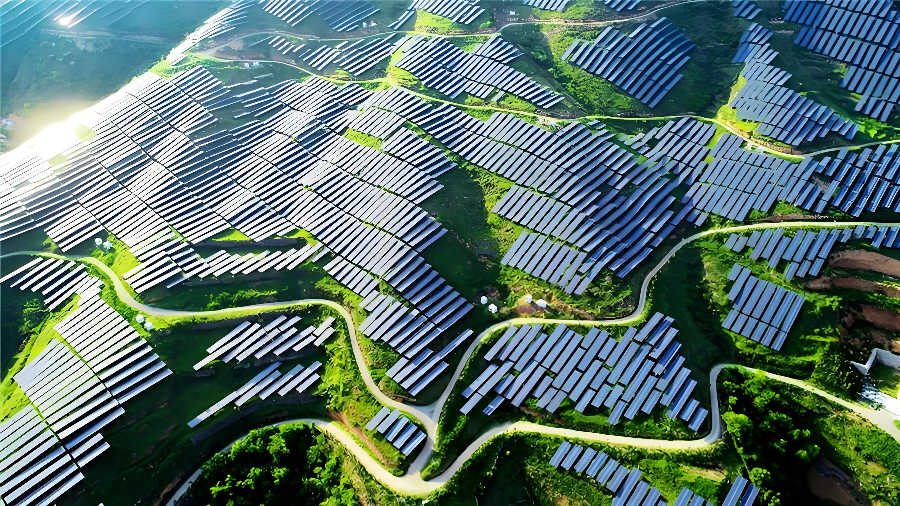
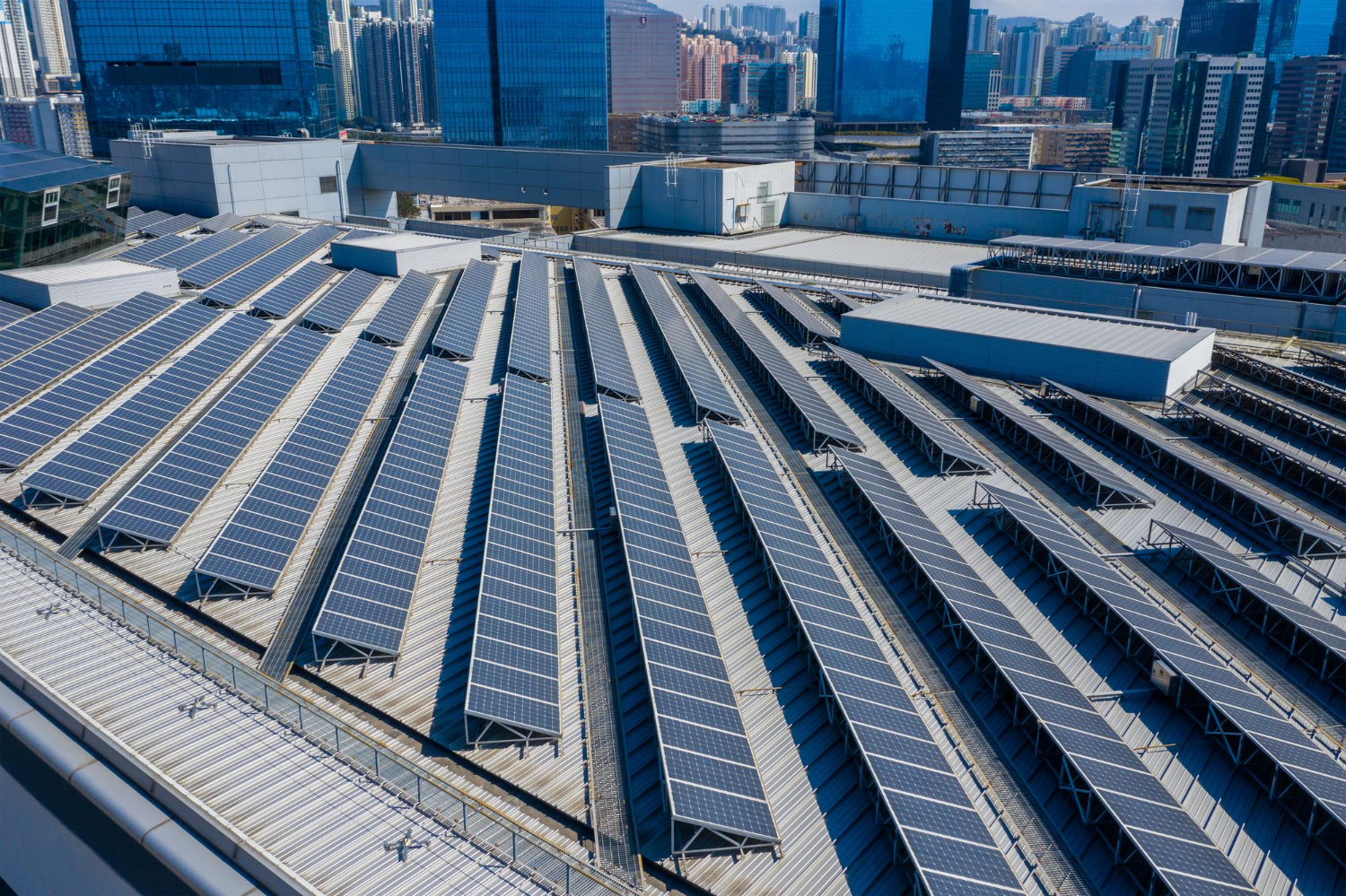
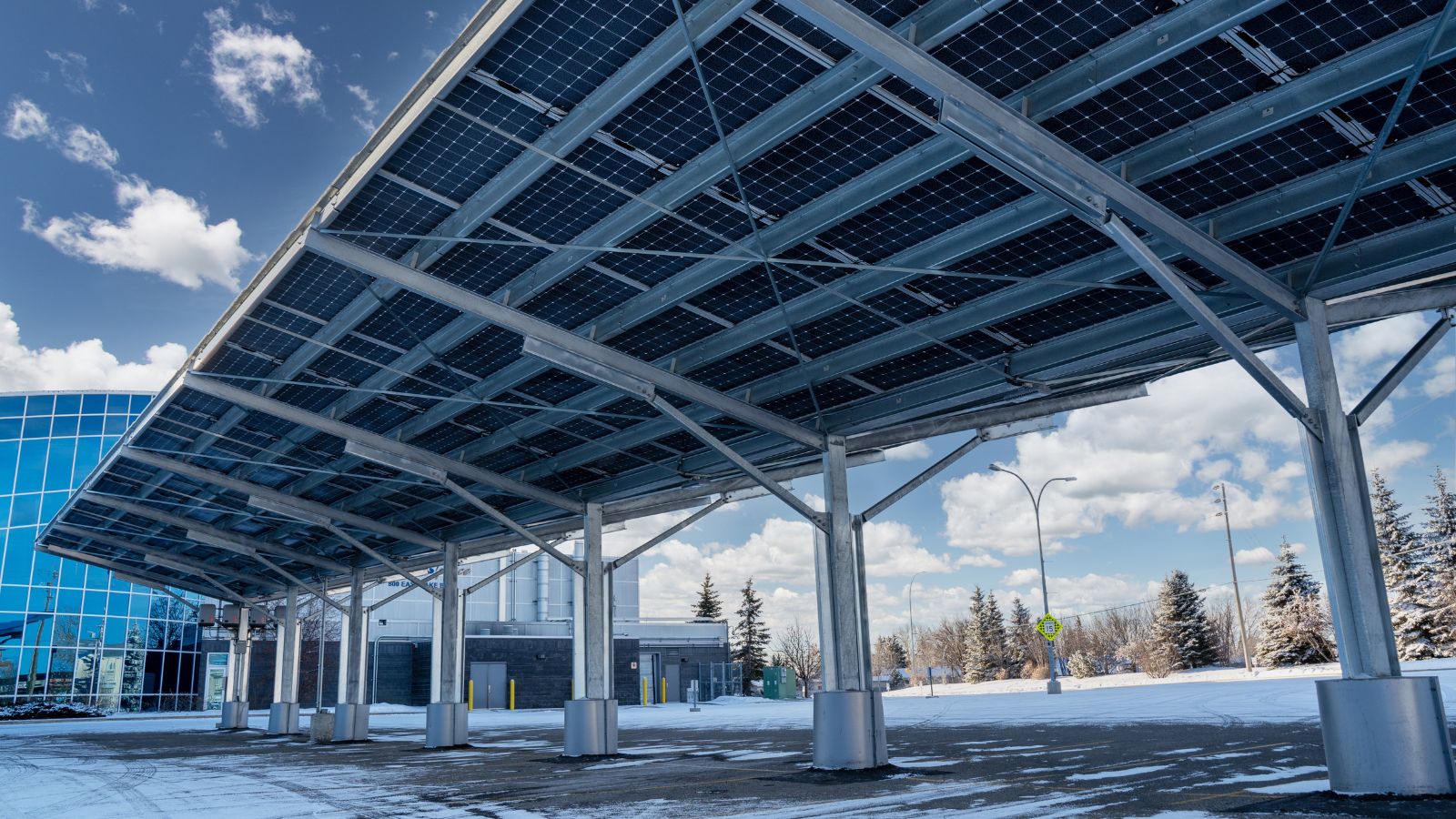
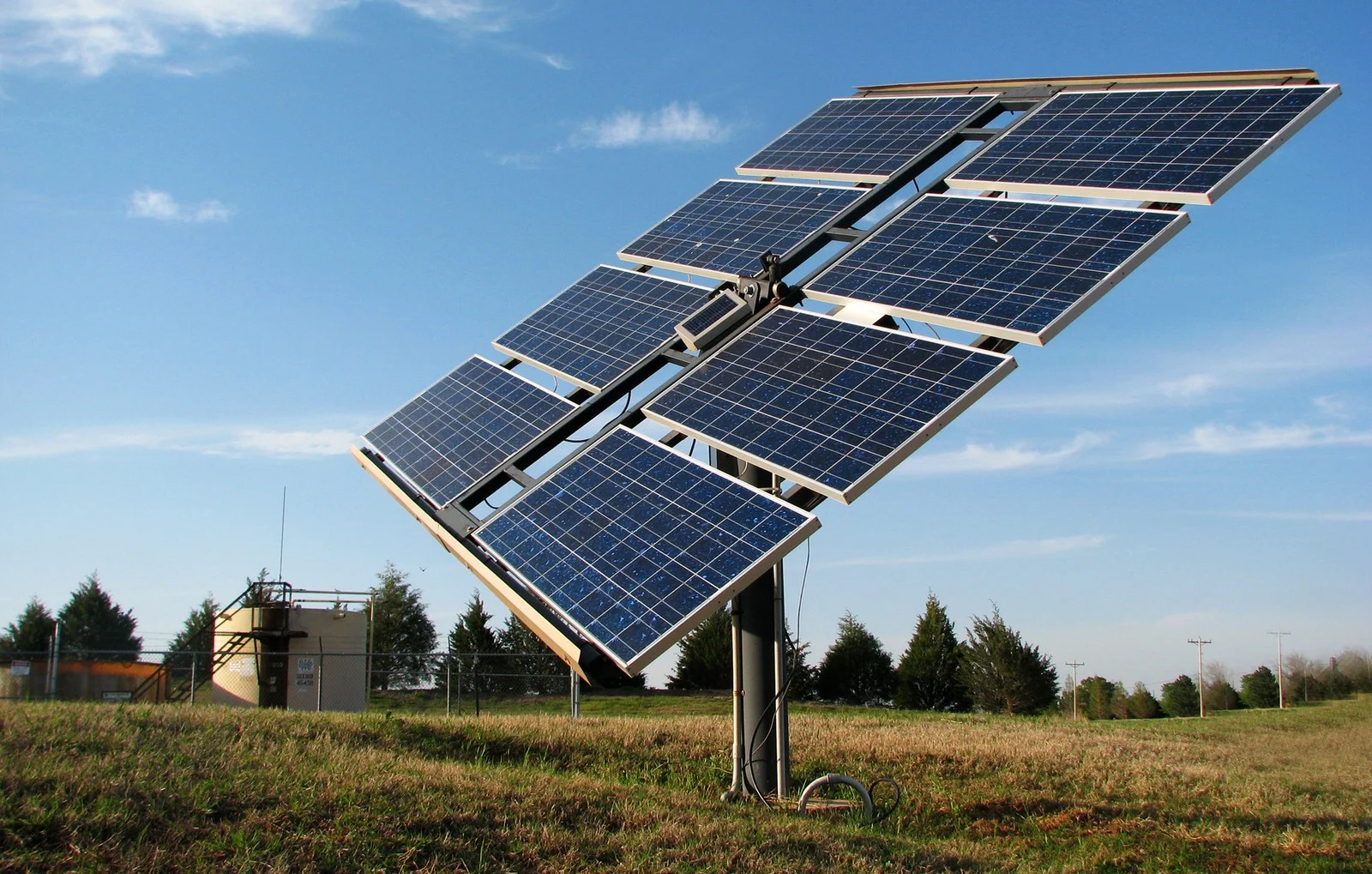
A solar mounting structure is the backbone of any photovoltaic system. Unlike solar panels and inverters that directly generate power, solar brackets secure panels in place, resist natural weather impacts, and determine the service life, stability, and power generation efficiency of the entire solar system.
Many solar project failures, including panel displacement, structural corrosion, and collapsed racks, stem from one core mistake: using universal solar mounting structures without adapting to local climate conditions. Coastal salt spray, heavy snowfall, desert high temperature, tropical rainstorms, and strong monsoons all pose unique threats to solar mounting systems.
Choosing the right solar mounting structure for different climates not only avoids frequent maintenance and replacement costs but also extends the PV system lifespan to 25–30 years and maintains stable power output. This 2026 ultimate guide breaks down professional selection criteria, material standards, and customized design solutions for all mainstream climate scenarios, helping solar developers, installers, and homeowners make cost-effective, weather-resistant choices.
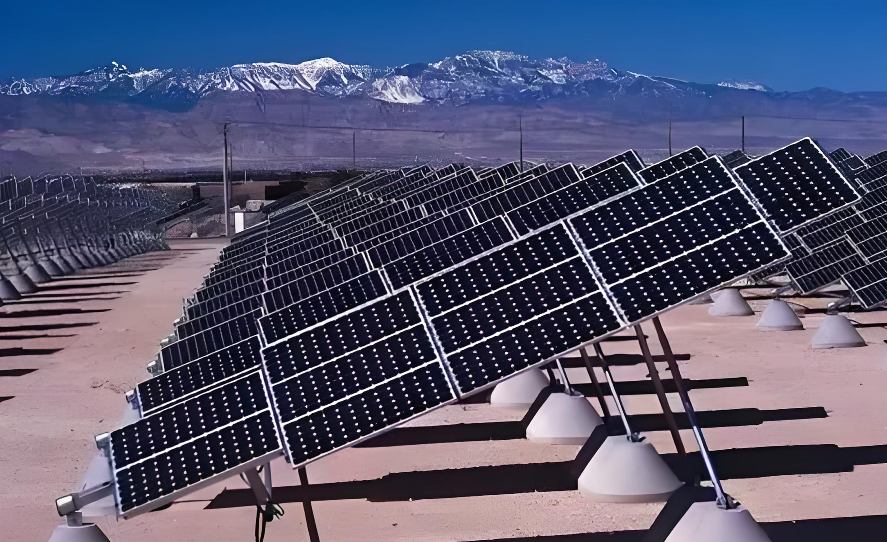
1. Why Climate Adaptation Matters for Solar Mounting Structures
Solar mounting brackets are exposed to outdoor environments 24/7 throughout their service life. Climate factors directly determine structural load requirements, material anti-aging performance, and installation design. Unsuitable mounting structures will trigger a series of risks:
• High-wind areas: Weak bracket structures lead to panel tilting, rack fracture, or overall system collapse in typhoons and gales
• Coastal humid & saline areas: Ordinary steel and aluminum materials suffer severe corrosion, rust deformation, and shortened service life by 50% or more
• Heavy snow regions: Insufficient load-bearing capacity causes bracket bending and panel crushing under accumulated snow weight
• Desert high-temperature areas: Unqualified materials age rapidly, fade, and lose structural toughness under long-term UV radiation and high heat
• Tropical rainy areas: Poor drainage design leads to waterlogging erosion and bracket base loosening
Climate-adaptive solar mounting structures are not just a durability upgrade—they are the key to reducing solar project operational risks and improving long-term ROI.If you are confused about raw material choices, you can check Best Materials for Climate-Resilient Solar Mounts
2. Key Material Selection Rules for Different Climate Conditions
Material performance is the foundation of climate-resistant solar mounting systems. The mainstream solar bracket materials in the global market are AL6005-T5 aluminum alloy and hot-dip galvanized steel, with 316 stainless steel for special extreme environments. Each material has exclusive applicable climate scenarios:
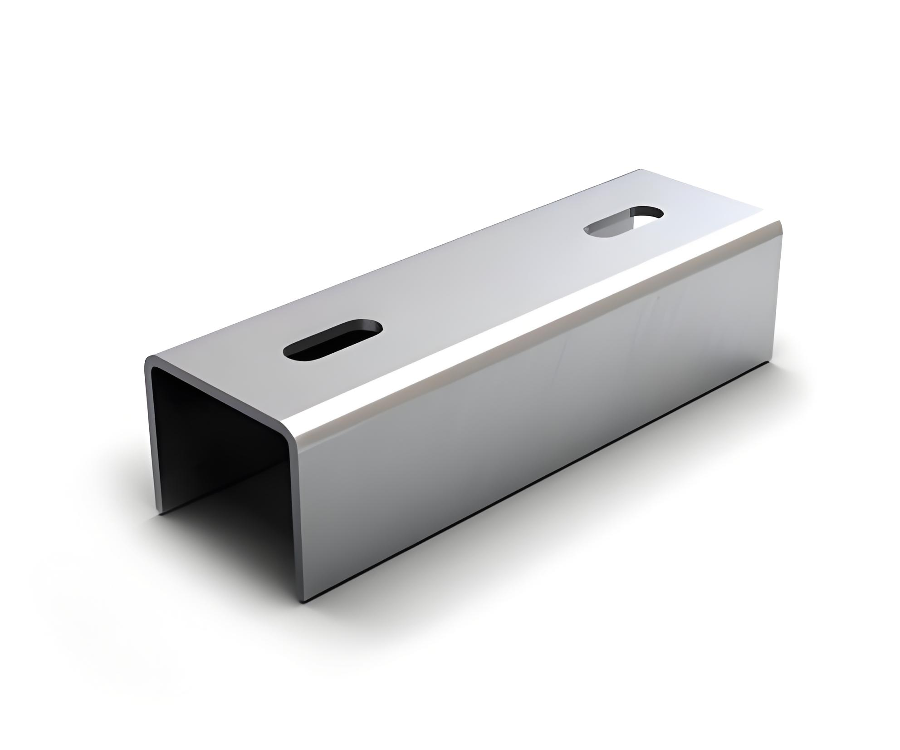
2.1 AL6005-T5 Anodized Aluminum Alloy
As the most popular solar mounting material, it features light weight, high strength, oxidation resistance, and zero maintenance.
• Applicable climates: Temperate regions, ordinary rainy areas, low-wind inland areas, mild high-altitude areas
• Advantages: Natural anti-rust performance, strong UV resistance, easy installation, no surface painting falling off
• Limitations: Not suitable for high-salinity coastal areas and super heavy snow load scenarios
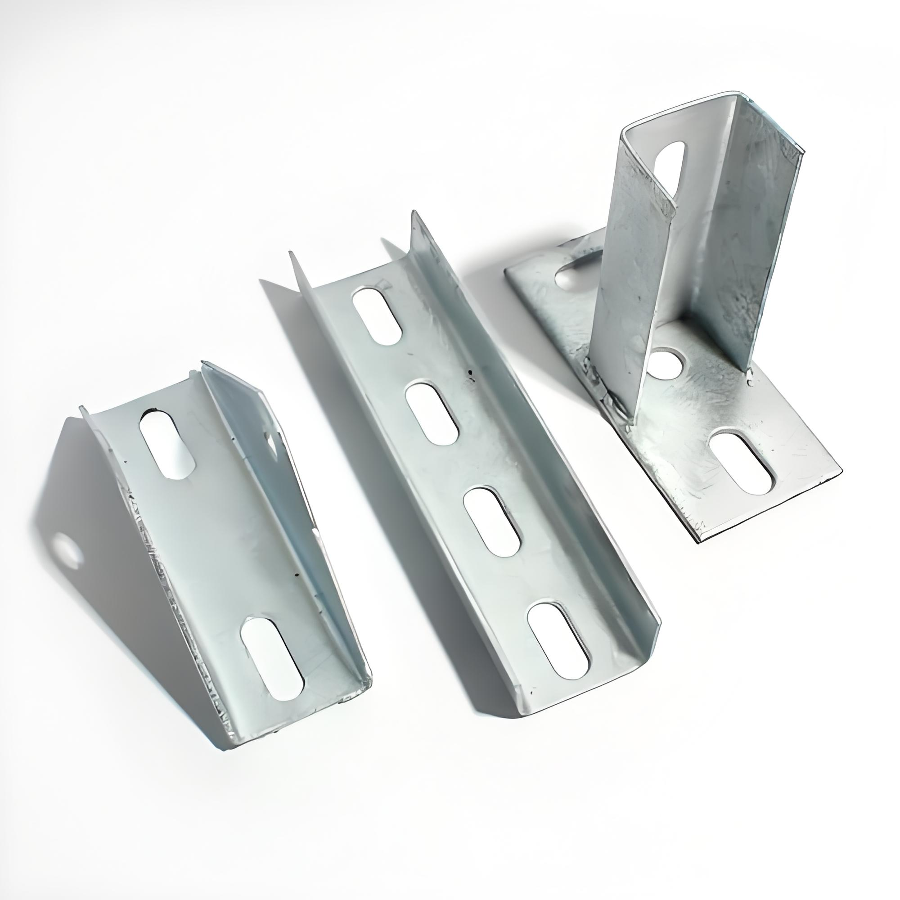
2.2 Hot-Dip Galvanized Q235 Steel
With ultra-high load-bearing capacity and structural stability, it is the first choice for heavy-load extreme weather.
• Applicable climates: Heavy snow areas, strong wind zones, mountainous high-altitude areas, complex terrain regions
• Advantages: Excellent wind and snow load resistance, strong compression resistance, low cost for large-scale ground solar projects
• Limitations: Regular anti-corrosion maintenance is required in humid environments to avoid rust
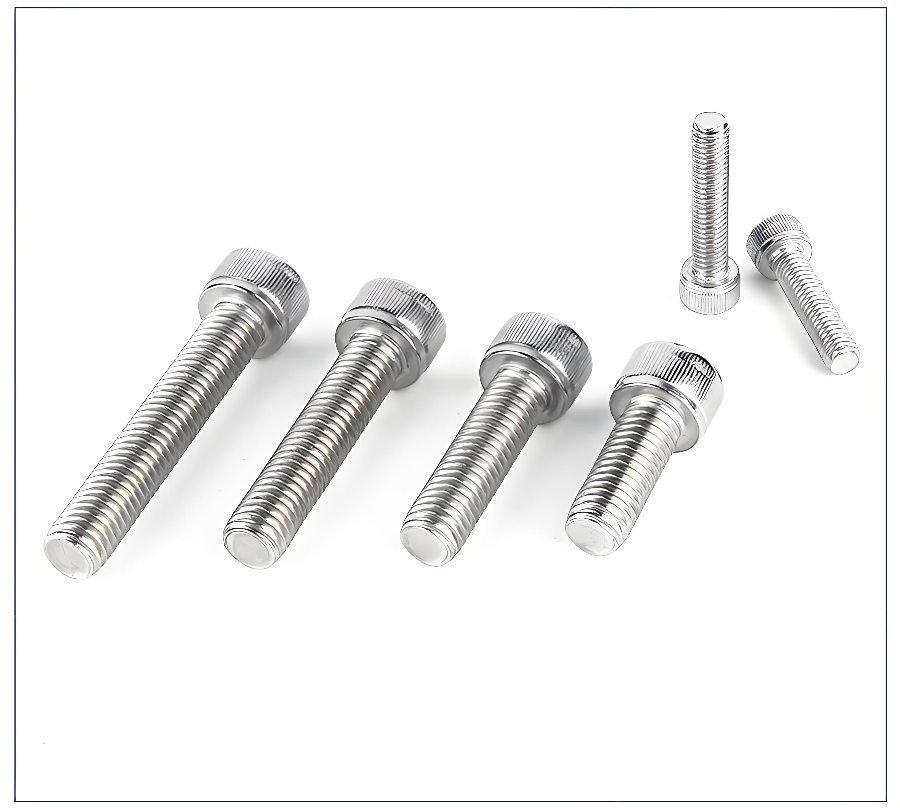
2.3 SUS 316 Stainless Steel
Professional anti-corrosion customized material for harsh marine and industrial environments.
• Applicable climates: Coastal salt-spray areas, offshore solar projects, industrial corrosive areas
• Advantages: Contains molybdenum element, resists chloride corrosion and salt erosion perfectly, 30+ years service life in coastal environments
• Limitations: Higher cost, mainly used for key parts of coastal solar mounting systems
3. Core Climate Factors to Evaluate Before Choosing Solar Mounts
Before confirming solar mounting structure solutions, you must evaluate three core local climate indicators to avoid mismatched design:
3.1 Wind Load
Check local maximum instantaneous wind speed and basic wind pressure (compliant with ASCE 7 and Eurocode 1 standards). For areas with wind speed above 30m/s (typhoon-prone zones), adopt reinforced double-column brackets and dense anchor fixing designs.
3.2 Snow Load
Calculate maximum local snow accumulation thickness and snow pressure. Regions with snow load exceeding 0.5kN/m² require thickened rail structures and optimized tilt angles to accelerate snow sliding.
3.3 Humidity & Salinity
Coastal areas within 5km of the sea have high salinity and humidity, requiring high-grade anti-corrosion materials. Inland dry and low-humidity areas can adopt conventional standard materials.
3.4 UV Radiation & Temperature
Desert and plateau areas with strong UV radiation require anodized or electrophoretic surface treatments to prevent material aging and structural performance degradation.
4. Custom Solar Mount Solutions for 6 Common Climate Types
Combining global mainstream climate characteristics and engineering experience, here are targeted solar mounting structure selection solutions for all scenarios. You can view more mature schemes via Extreme Weather Solar Mount Design Standards.
Core threat: Salt spray corrosion, strong sea breeze, high humidity
Best mounting solution:
• Material: AL6005-T5 thickened anodized aluminum alloy + SUS316 stainless steel fasteners
• Structure: Reinforced wind-resistant ground mount or roof bracket with closed anti-corrosion structure
• Design optimization: Avoid exposed welding points; adopt fully bolted assembly to reduce corrosion gaps
• Standard: Resist 12-level typhoons and long-term salt spray erosion
4.2 Heavy Snow Cold Climate (Northern Europe, Canada, Alaska,Siberia)
**Core threat:Heavy snow pressure, low-temperature brittleness, frozen soil
Best mounting solution:
• Material: Hot-dip galvanized Q235 steel (primary choice)
• Structure: High-load fixed-tilt ground mounting system with thickened support columns
• Design optimization: Tilt angle set above 30° for automatic snow sliding; enhance foundation burial depth to resist frozen soil expansion
• Load standard: Support snow load of 2–3kN/m² to prevent structural deformation
4.3 Desert High-Temperature & Dry Climate (Middle East, North Africa, Southwest United States)
Core threat: Intense UV radiation, extreme high temperature, wind-blown sand abrasion
Best mounting solution:
• Material: High-hardness anodized AL6005-T5 aluminum alloy
• Structure: Low-profile wind-resistant ground mount with smooth surface design
• Design optimization: Thickened surface oxidation layer to resist UV aging and sand abrasion; loose soil ground screw foundation for desert sandy terrain
4.4 Tropical Rainstorm Climate (South Asia, Amazon Basin, Central Ametica)
Core threat: Continuous heavy rainfall, high humidity, thunderstorm gales
Best mounting solution:
• Material: Anti-rust aluminum alloy with waterproof coating
• Structure: Drainage optimized bracket design, hollow rail structure to avoid waterlogging
• Design optimization: Enhanced base waterproof layer; wind-resistant diagonal bracing to cope with seasonal rainstorms
4.5 Strong Wind Typhoon Climate (Caribbean, Philippine Islands,Northern Australia Coast)
Core threat: Super typhoons, instantaneous strong gusts
Best mounting solution:
• Material: Hot-dip galvanized steel main structure + aluminum auxiliary parts
• Structure: Double-pillar reinforced mounting system, dense ground screw foundation
• Design optimization: Short cantilever design to reduce wind resistance; overall structural wind resistance up to 14-level typhoon
4.6 Temperate Mild Climate (Most of Europe, North America Inland, Southern Australia)
Core threat: No extreme weather, mild temperature and rainfall
Best mounting solution:
• Material: Standard AL6005-T5 aluminum alloy mounting system
• Structure: Conventional fixed-tilt roof/ground mount, cost-effective standard design
• Advantage: Balanced cost and performance, zero daily maintenance, fully meeting 25-year service life requirements
5. Pro Tips to Maximize Solar Mount Lifespan in All Climates
Even the most climate-adaptive solar mounting structures need scientific installation and maintenance to maintain long-term stability. Check detailed maintenance methods at Solar Mount Installation & Maintenance Tips:
1. Strictly follow local load standards: Design brackets according to local official wind, snow and seismic load parameters, not universal standards
2. Prioritize integrated anti-corrosion treatment: For humid and coastal areas, avoid secondary welding on-site to prevent damaged anti-corrosion layers
3. Optimize installation angle matching climate: Increase tilt angle in snowy areas, reduce wind resistance height in windy areas, and adjust angle for maximum light absorption in sunny desert areas
4. Regular seasonal inspection: Check fastener tightness before typhoon and snow seasons; clean surface dust and corrosion regularly in coastal and desert areas
5. Adopt terrain-matching foundation: Use ground screws for sandy soil, ramming posts for rocky terrain, and deep-buried concrete foundations for frozen soil
6. Frequently Asked Questions (FAQ)
Q1: Are aluminum solar mounts suitable for coastal areas?
Ordinary aluminum brackets are prone to salt corrosion. It is recommended to use thickened anodized AL6005-T5 aluminum alloy with SUS316 stainless steel fasteners, which can adapt to coastal climate for long-term use.
Q2: Which is better for snowy areas, steel or aluminum solar mounts?
Hot-dip galvanized steel brackets have higher load-bearing capacity and low-temperature resistance, making them more suitable for heavy snow areas than aluminum mounts.
Q3: Can solar mounting structures adapt to all extreme weathers?
No universal bracket exists. Professional climate customization (material upgrade, structural reinforcement, design optimization) is required according to local dominant weather risks to achieve full weather resistance.
Conclusion
Choosing the right solar mounting structure for different climates is a systematic engineering work that combines material science, structural mechanics, and meteorological data. The core selection logic is matching material performance and structural design with local dominant climate threats: anti-corrosion for coastal areas, heavy-load reinforcement for snowy areas, wind resistance upgrade for typhoon zones, and anti-aging treatment for deserts.
A climate-adaptive solar mounting system eliminates hidden weather risks, cuts long-term maintenance costs, and maximizes the ROI of solar PV projects. For global solar installers and investors, customized climate-based bracket selection is the first step to building a high-quality, long-life solar power system. You can refer to professional industry standards from PV System Climate Adaptation Guidelines and Solar System Durability Research to obtain more authoritative references.